
What's Happening?
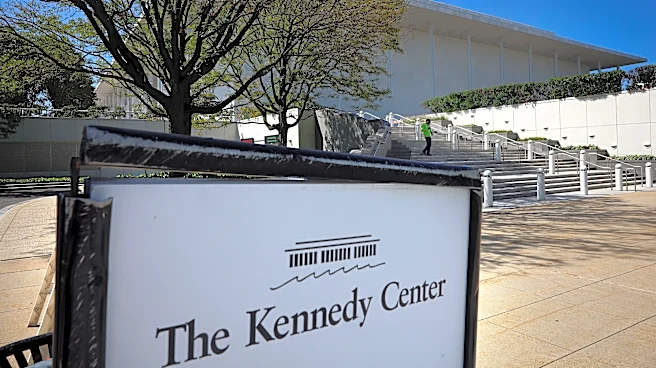
Former Kennedy Center president Richard Grenell is facing scrutiny over potential conflicts of interest. Reports indicate that Grenell received over $260,000 as a board member of Live Nation, the parent
company of Ticketmaster, while simultaneously leading the federally chartered performing arts center. This situation has raised questions, particularly as the Kennedy Center transitioned its ticketing operations to Ticketmaster. Former and current employees of the Kennedy Center have reportedly shared details with NPR regarding the timing of these events and issues encountered during the transition, including difficulties in purchasing tickets for the Kennedy Center Honors. The controversy highlights concerns about the intersection of Grenell's private sector affiliations and his public leadership role at a prominent cultural institution.
Why It's Important?
This situation is important because it raises significant questions about ethical conduct and transparency within federally chartered institutions and the broader entertainment industry. The potential conflict of interest involving a high-profile figure like Richard Grenell, who held a leadership position at the Kennedy Center while also serving on the board of Live Nation, could erode public trust in cultural organizations. It also brings to light the influence of large corporations like Live Nation/Ticketmaster in the live entertainment sector and the potential for undue influence when individuals hold dual roles. For consumers, such arrangements can lead to concerns about fair pricing and access to events, especially if a monopoly or near-monopoly situation is perceived. This issue underscores the need for clear ethical guidelines and oversight for leaders of public-facing institutions to prevent conflicts that could compromise their mission or public interest.
What's Next?
The ongoing NPR reporting suggests that further details and scrutiny regarding this alleged conflict of interest may emerge. It is possible that congressional inquiries or internal investigations within the Kennedy Center or related oversight bodies could be initiated to fully examine the circumstances surrounding Grenell's dual roles and the ticketing transition. Stakeholders, including independent venue operators and consumer advocacy groups, may also intensify calls for greater transparency and regulation within the ticketing industry. Depending on the findings, there could be calls for stricter ethics policies for leaders of federally funded cultural institutions to prevent similar situations in the future. The public and media will likely continue to monitor developments for any official responses or actions taken by relevant authorities.
Beyond the Headlines
Beyond the immediate conflict of interest allegations, this situation touches upon broader ethical and governance challenges faced by non-profit and federally chartered organizations. It highlights the increasing intertwining of public service roles with private sector interests, particularly in industries with significant commercial power like live entertainment. The case could prompt a re-evaluation of the criteria for board memberships and external affiliations for leaders of public institutions, emphasizing the need for robust disclosure requirements and stricter conflict-of-interest policies. Furthermore, it could fuel ongoing debates about the market dominance of companies like Ticketmaster and their impact on competition, consumer choice, and the financial health of independent venues and artists. The ethical implications extend to how public institutions maintain their integrity and independence when engaging with powerful commercial entities.