





What's Happening?
The Trump administration has been accused of attempting to alter the historical narrative presented in America's national parks. Critics argue that over the past year and a half, there has been a concerted effort to reconstruct a version of US history
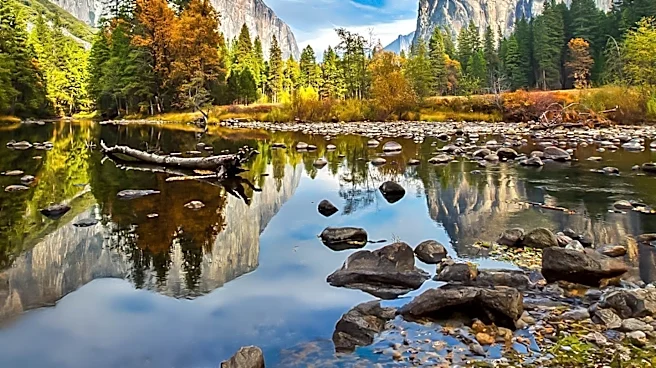
that aligns with the administration's preferences. This has involved removing and altering signs on public lands, which traditionally include historical context as part of the visitor experience. The national parks, which are considered sacred lands, are not only about nature but also about preserving US history. The changes have sparked controversy and debate over the integrity of historical representation in these public spaces.
Why It's Important?
The alteration of historical narratives in national parks could have significant implications for public understanding of US history. These parks serve as educational resources for millions of visitors each year, and changes to their historical content could influence public perception and knowledge. The controversy highlights broader issues of historical interpretation and the role of government in shaping public memory. It raises questions about the balance between preserving historical accuracy and political influence, potentially affecting how future generations understand American history.
What's Next?
The debate over historical representation in national parks is likely to continue, with potential legal and political challenges. Stakeholders, including historians, educators, and policymakers, may push for reviews or reversals of the changes. Public advocacy and media attention could also play a role in shaping the outcome. The issue may become a point of contention in broader discussions about historical preservation and government transparency.
Beyond the Headlines
This situation underscores the ethical considerations of historical representation and the potential for political agendas to influence public education. It raises questions about the responsibility of government agencies to maintain historical integrity and the potential consequences of failing to do so. The controversy may also prompt a reevaluation of how historical narratives are curated and presented in public spaces.