



What's Happening?
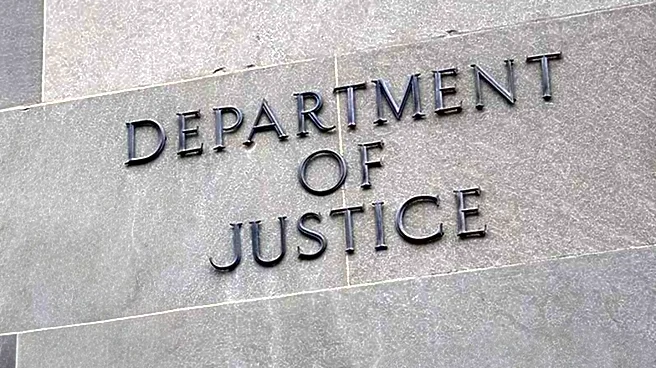
On November 9, 2026, Congresswoman Marcy Kaptur (OH-09), a senior member of the House Appropriations Committee, announced that Legal Aid of Western Ohio (LAWO) will receive a $500,000 award from the U.S. Department of Justice’s (DOJ) Office for Victims
of Crime. This funding is designated to enhance the quality and quantity of victim support services for individuals affected by domestic violence, elder abuse, stalking, financial exploitation, and other crimes. Congresswoman Kaptur emphasized the importance of strengthening access to quality, affordable legal services and support for crime victims in the region. LAWO provides critical legal assistance to low-income residents across 32 counties in western and northern Ohio, focusing on civil matters, securing protection orders, custody agreements, and offering legal consultations. This award follows previous federal support secured by Congresswoman Kaptur for LAWO, including $1.3 million in DOJ funding in July 2026 for victims of abuse and violence, particularly those over 50 or with disabilities, and a $500,000 U.S. Department of Veteran’s Affairs award in 2025 to combat veteran homelessness.
Why It's Important?
This $500,000 DOJ award is crucial for bolstering victim support services in Western Ohio, directly impacting vulnerable populations who often lack access to essential legal aid. The funding will enable Legal Aid of Western Ohio to expand its capacity to assist victims of domestic violence, elder abuse, stalking, and financial exploitation, addressing critical needs within the community. For low-income residents across 32 counties, LAWO's services are often the only recourse for legal protection and stability in civil matters, protection orders, and custody agreements. The consistent federal support, championed by Congresswoman Kaptur, underscores a commitment to ensuring justice and safety for those who have experienced trauma. This investment not only provides immediate relief but also contributes to the long-term well-being and security of individuals, potentially reducing cycles of abuse and exploitation by empowering victims with legal resources. The initiative reflects a broader national effort to support victim services and highlights the role of federal funding in local community welfare.
What's Next?
The Legal Aid of Western Ohio will utilize the $500,000 award to immediately enhance its victim support services, focusing on increasing both the quality and quantity of assistance provided. This will likely involve expanding staffing, resources, and outreach programs to better serve victims of domestic violence, elder abuse, stalking, and financial exploitation. The organization will continue its work in representing clients in civil matters, securing protection orders, and facilitating custody agreements. Congresswoman Kaptur's ongoing advocacy as a senior member of the House Appropriations Committee suggests potential for future federal funding opportunities for legal aid services in Northwest Ohio. The success of this program could serve as a model for other regions seeking to strengthen victim support. Individuals in need of legal assistance are encouraged to contact LAWO’s Legal Aid Line, indicating an immediate pathway for those requiring help.
Beyond the Headlines
The consistent federal investment in organizations like Legal Aid of Western Ohio highlights a growing recognition of the systemic issues surrounding victim support and access to justice for vulnerable populations. Beyond the immediate provision of legal services, this funding addresses deeper societal challenges such as the prevalence of domestic violence, elder abuse, and financial exploitation. By empowering victims with legal recourse, these services contribute to breaking cycles of abuse and fostering greater community safety and stability. The initiative also underscores the ethical imperative of ensuring equitable access to legal representation, particularly for low-income individuals who might otherwise be unable to navigate complex legal systems. This sustained support from federal agencies, facilitated by congressional advocacy, reflects a broader policy shift towards proactive intervention and comprehensive support for victims, aiming to mitigate the long-term social and economic costs associated with crime and abuse.