




What's Happening?
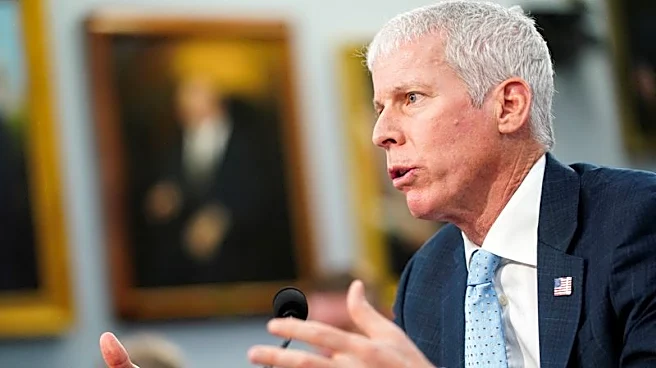
U.S. Representative Troy E. Nehls has lauded President Trump's efforts in revitalizing American manufacturing, pointing to significant growth in the sector since 2022. Nehls specifically referenced the "One Big Beautiful Bill Act" (H.R. 1), signed into
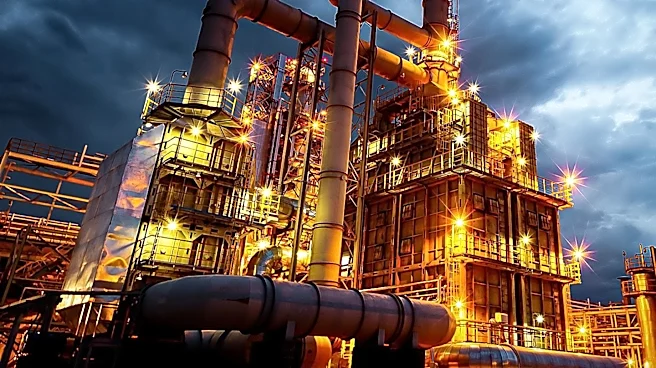
law by President Trump in 2025, and the administration's trade policies as key drivers of this resurgence. According to Nehls, President Trump's return to the White House has led to $11 trillion in U.S. and foreign investments, fostering job growth and innovation nationwide. A prime example cited is Bristol Myers Squibb's substantial investment in Houston, Texas, which Nehls presents as tangible evidence of the "America First" agenda yielding positive outcomes. Nehls affirmed his commitment to continue supporting President Trump's policies aimed at boosting manufacturing and job creation across the country, particularly within Texas's 22nd Congressional District.
Why It's Important?
This development is important as it underscores a political narrative emphasizing the impact of specific legislative actions and trade policies on the U.S. manufacturing sector. The reported $11 trillion in investments, if accurate, signifies a substantial influx of capital that could lead to job creation, technological advancements, and increased economic output. For Texas, the Bristol Myers Squibb project represents a direct economic benefit, potentially creating employment opportunities and stimulating local economies. From a broader perspective, the focus on "America First" policies suggests a continued push towards domestic production and reduced reliance on foreign supply chains, which could have long-term implications for national economic resilience and global trade relations. Businesses involved in manufacturing and related industries stand to gain from such policies, while sectors reliant on international trade might face adjustments.
What's Next?
Looking ahead, Representative Nehls's continued support for President Trump's manufacturing and job creation policies suggests that similar legislative initiatives and trade strategies may be pursued. The emphasis on domestic investment and job growth indicates a potential for further incentives for companies to establish or expand manufacturing operations within the U.S. This could lead to more announcements of large-scale corporate investments in various states, following the model of the Bristol Myers Squibb project in Houston. Political discourse will likely continue to highlight these economic achievements, especially in the context of upcoming elections, as lawmakers seek to demonstrate the effectiveness of their economic platforms. Businesses will be watching for potential new legislation or policy changes that could impact their operational costs, supply chains, and market access.
Beyond the Headlines
Beyond the immediate economic figures, the narrative of a manufacturing revival carries significant political and social weight. It taps into a broader sentiment about American economic independence and the creation of stable, well-paying jobs. This focus on domestic manufacturing can influence public perception of economic health and national competitiveness. Ethically, the discussion around "America First" policies often involves balancing national economic interests with global trade relationships and environmental considerations. The long-term shift towards reshoring manufacturing could also lead to increased demand for skilled labor, potentially prompting changes in educational and vocational training programs to meet these new workforce needs. Culturally, a strong manufacturing base is often associated with national pride and economic security, making it a potent theme in political campaigns and public policy debates.