



What's Happening?
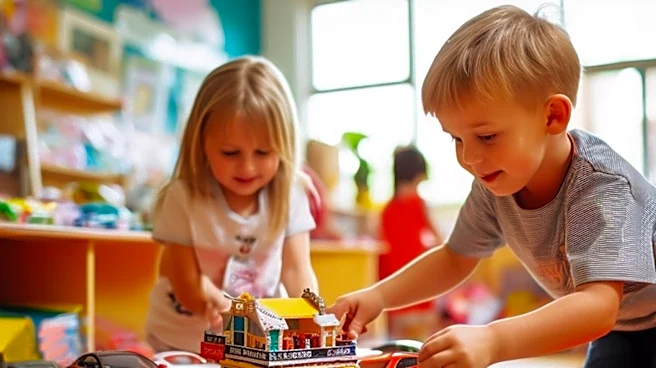
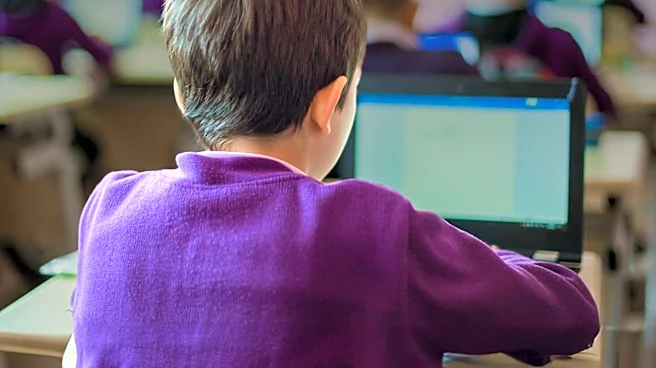
Teachers across the United States are expressing concerns about the increasing use of standardized assessments in early childhood education. These assessments, which are becoming more common in public preschools, aim to gauge students' baseline knowledge
and skills. However, educators like Darrell Turner, a preschool teacher in Richmond, Virginia, highlight the challenges these assessments pose, particularly for young children who are still adjusting to school routines. Teachers argue that the timing of these assessments can disrupt classroom dynamics and add to their workload. Despite the potential benefits of guiding instruction, the assessments are seen as time-consuming and stressful for both teachers and students.
Why It's Important?
The growing trend of early childhood assessments reflects a broader shift towards data-driven education. While these assessments can provide valuable insights into student development, they also raise questions about the appropriateness of standardized testing for young children. The pressure to perform well on these assessments can impact teacher evaluations and contribute to stress in the classroom. This situation highlights the need for a balanced approach that considers the developmental needs of young learners while ensuring accountability in education.
What's Next?
As more states implement early childhood assessments, educators and policymakers may need to reevaluate their approach to ensure these tools are developmentally appropriate and do not overwhelm teachers. Ongoing dialogue between educators, administrators, and policymakers will be crucial in addressing these concerns and finding solutions that support both teachers and students. Adjustments to assessment practices may be necessary to align with the unique needs of early childhood education.