







What's Happening?
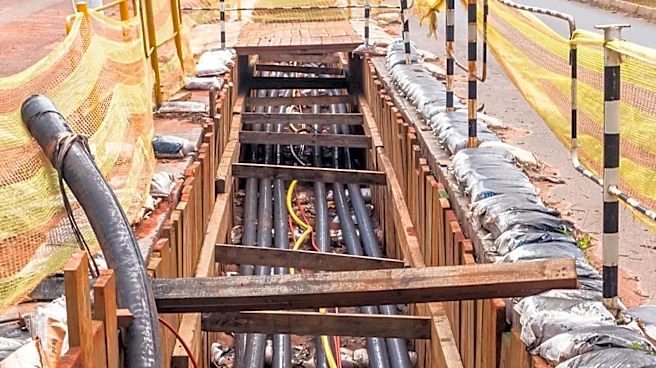
The Nashua Public Works Department has outlined updated requirements and regulations for its Street Opening Application process. The department emphasizes that permits can be amended or revoked at any time and prohibits construction on streets paved within
the last five years without specific approvals. Applicants must contact the Engineering Department 48 hours before work commences, and all work within City Right-of-Way or established Easements requires inspection. A key requirement is furnishing evidence of General Liability Insurance ($1 million/$2 million aggregate) naming the City of Nashua as additionally insured and Certificate Holder before a permit is issued. Furthermore, plans locating underground utility services must be filed with the City Engineer, detailing their relation to the nearest street and lot lines. A Traffic Control Plan (TCP) compliant with the Manual on Uniform Traffic Control Devices (MUTCD) is mandatory if pedestrian, bicycle, or vehicular travel will be impeded, requiring specific advance notice for lane and street closures.
Why It's Important?
These updated regulations are crucial for maintaining public safety, infrastructure integrity, and efficient traffic flow within Nashua. By requiring detailed plans, insurance, and advance notifications, the city aims to minimize disruptions, prevent damage to recently paved roads, and ensure proper coordination of construction activities. The mandate for a Traffic Control Plan directly addresses potential hazards to pedestrians, cyclists, and motorists, enhancing safety for all road users. The requirement to notify multiple city departments (Engineering, Police, Fire, Solid Waste, School Transportation, Transit System) for detours ensures that essential services are aware of and can adapt to street closures, preventing service interruptions. This comprehensive approach helps protect city assets, reduce liability risks, and ensure that development and maintenance projects are conducted responsibly and with minimal impact on residents.
What's Next?
Contractors, utility companies, and any entities planning work that requires street openings in Nashua will need to adhere strictly to these updated guidelines. The Public Works Department will likely enforce these regulations through its permit review and inspection processes. Applicants should anticipate a more rigorous application process, including the submission of detailed plans and proof of insurance, and should factor in the required notification periods for traffic control. The city may also conduct outreach to inform relevant stakeholders about these changes. Non-compliance could result in permit denials, work stoppages, or penalties, underscoring the importance of understanding and following the revised procedures. The department will continue to monitor compliance and may further refine these regulations based on practical experience and feedback.
Beyond the Headlines
Beyond the immediate operational impact, these regulations reflect a broader commitment by the City of Nashua to proactive urban management and public welfare. The emphasis on ADA compliance for pedestrian facilities and the management of contaminated materials highlights evolving standards in urban development, prioritizing accessibility and environmental protection. By requiring adherence to PROWAG guidelines and proper disposal of hazardous waste, the city is integrating modern best practices into its infrastructure projects. This approach not only mitigates immediate risks but also contributes to the long-term sustainability and livability of the city. It signals a shift towards more accountable and environmentally conscious construction practices, setting a precedent for future urban development initiatives and potentially influencing similar policies in other municipalities.