



What's Happening?
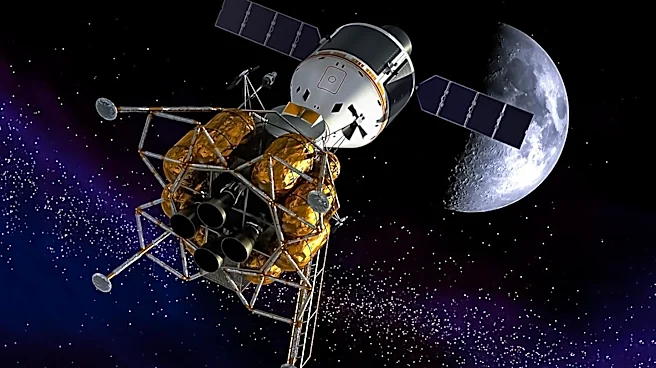
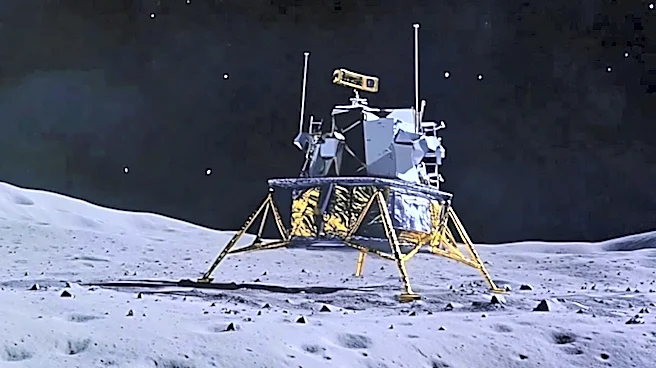
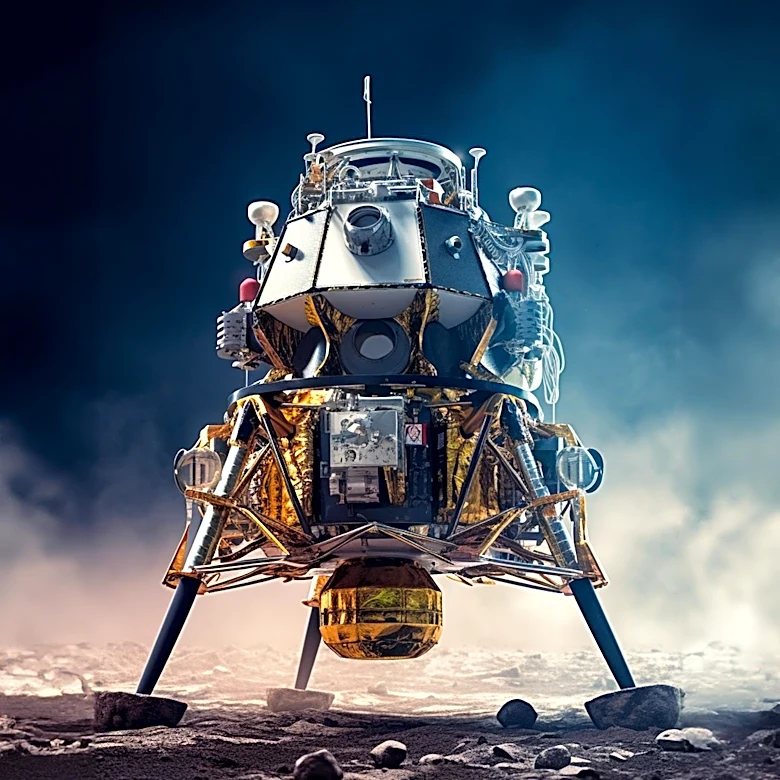
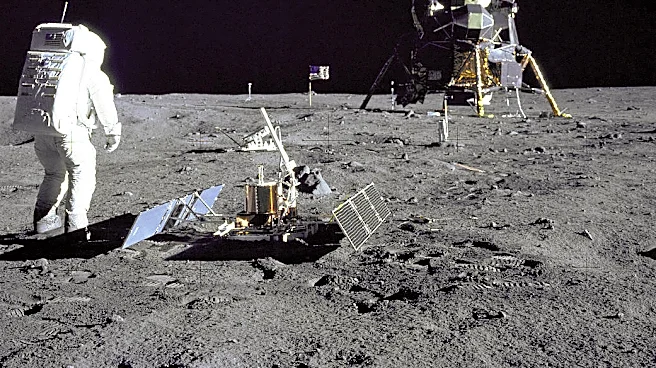
A new study suggests that future moon landings, particularly those planned under NASA's Artemis program, could inadvertently contaminate the lunar surface, potentially destroying ancient molecules that might hold clues to the origins of life on Earth.
The study highlights concerns that methane exhaust from spacecraft could contaminate ice deposits at the moon's poles, where prebiotic organic molecules may be preserved. These molecules, trapped in lunar ice, could provide insights into the early conditions that led to life on Earth. The research emphasizes the need to balance lunar exploration with the preservation of these scientific resources.
Why It's Important?
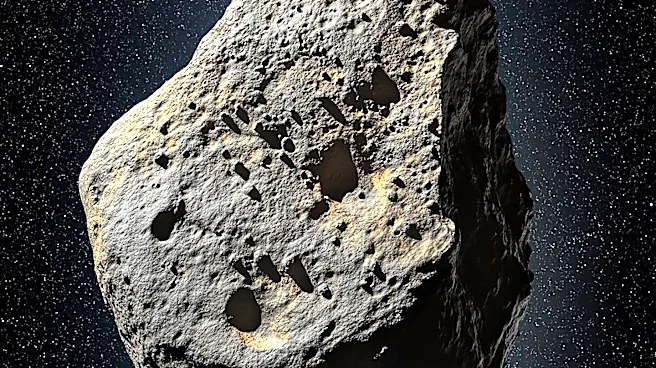
The potential contamination of lunar ice by spacecraft exhaust poses a significant challenge to scientific exploration. The ice at the moon's poles is believed to contain ancient materials from asteroids and comets, offering a unique opportunity to study prebiotic molecules that could have contributed to the emergence of life on Earth. Preserving these molecules is crucial for understanding the chemical processes that preceded life. The study underscores the importance of developing strategies to minimize contamination, ensuring that future lunar missions do not compromise the scientific value of these ancient deposits.
What's Next?
To mitigate the risk of contamination, researchers suggest selecting colder landing sites to slow the spread of methane and conducting additional simulations to understand the movement of exhaust compounds on the moon. These efforts aim to protect the integrity of lunar ice deposits while allowing for continued exploration. As NASA and other space agencies plan future missions, they will need to consider the environmental impact of landings and develop guidelines to preserve the moon's scientific resources. This balance between exploration and preservation will be critical as humanity seeks to expand its presence on the lunar surface.