




What's Happening?
Economists have revised India's GDP growth forecast for the fiscal year 2026/2027 down to 6.6%, a decrease from the previous 7.7% growth rate. This adjustment is attributed to the spike in oil prices and ongoing geopolitical tensions, particularly the re-escalation
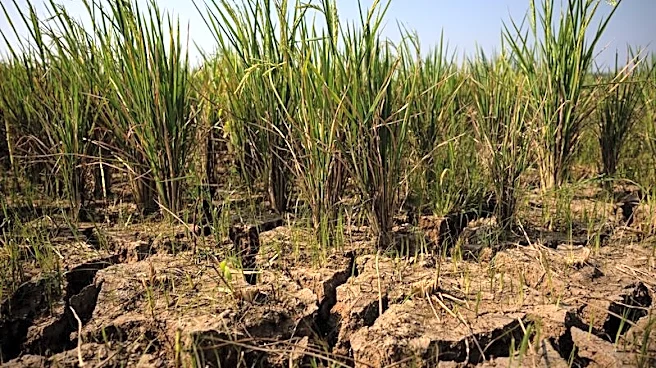
of conflict in the Middle East. The International Monetary Fund (IMF) has highlighted these factors as significant risks, alongside the potential impact of the El Niño weather phenomenon, which could affect monsoon patterns. The Indian economy has been heavily reliant on government spending, with private investment remaining weak due to the uncertain economic environment.
Why It's Important?
The reduction in India's GDP growth forecast underscores the broader impact of global economic uncertainties on emerging markets. Higher oil prices can lead to increased costs for businesses and consumers, potentially slowing economic activity. For India, a major oil importer, this could mean higher inflation and a strain on fiscal resources. The situation also highlights the interconnectedness of global economies, where geopolitical events can have far-reaching effects. Businesses and investors may become more cautious, potentially delaying investment decisions and affecting economic growth.
What's Next?
India may need to explore alternative strategies to mitigate the impact of rising oil prices and geopolitical tensions. This could include diversifying energy sources, enhancing energy efficiency, and strengthening economic resilience through policy measures. The government might also consider fiscal and monetary policies to support growth and manage inflation. Additionally, the international community will likely monitor the situation closely, as prolonged geopolitical tensions could have broader implications for global energy markets and economic stability.