









What's Happening?
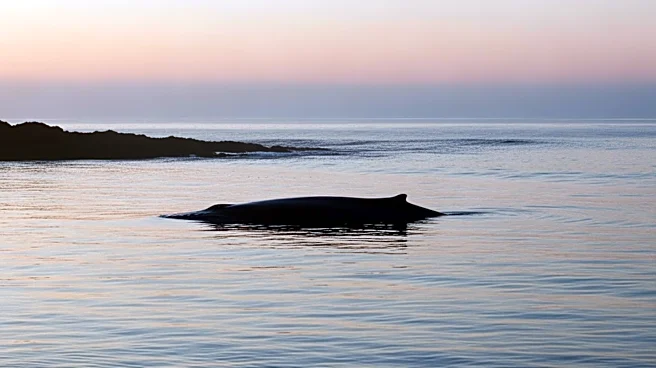
A 40-ton fin whale was found dead after becoming stranded on Samish Island in Washington state. The National Oceanic and Atmospheric Association (NOAA) reported that the whale, which measured over 61 feet long, was already deceased by the time researchers
arrived. The whale's condition had deteriorated significantly, and it was emaciated. This incident is part of a troubling trend, with at least 16 whale deaths reported in Washington over the past year. Experts suggest that many of these deaths may be linked to starvation, potentially due to climate change affecting food supplies in the Arctic and Alaskan regions.
Why It's Important?
The increase in whale strandings and deaths along the Washington coast highlights significant environmental concerns. These events may indicate broader ecological disruptions, possibly linked to climate change. The potential reduction in food supplies for marine life could have cascading effects on the marine ecosystem, impacting biodiversity and the health of oceanic environments. This situation underscores the need for further research and potential policy responses to address the underlying causes and mitigate future occurrences.
What's Next?
NOAA plans to conduct a necropsy on the deceased whale to determine the exact cause of death. The findings could provide insights into the broader pattern of whale strandings and inform conservation strategies. Additionally, NOAA advises the public to report any stranded whales to authorities and refrain from interacting with them. Ongoing monitoring and research will be crucial in understanding and addressing the factors contributing to these strandings.