
What's Happening?
Israeli Prime Minister Benjamin Netanyahu is planning a visit to the United States to attend the annual AIPAC conference in Washington, amid escalating tensions with Iran. The visit, scheduled for February
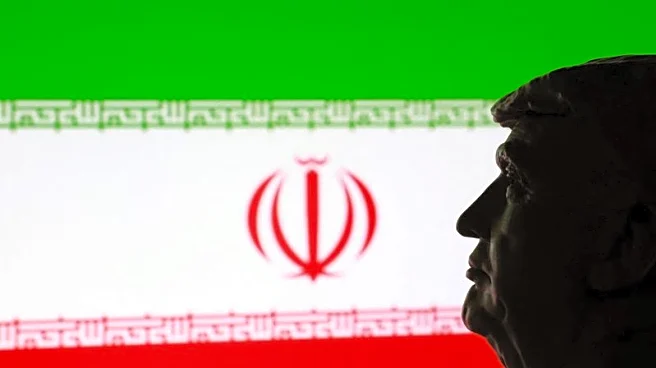
22-24, may include a meeting with U.S. President Trump. The agenda is expected to focus on Iran, especially if the U.S. has not taken military action against Tehran by then. The U.S. has recently increased its military presence in the Middle East, deploying an F-15E fighter squadron and planning to send aircraft carriers to the region. Iran has issued warnings that any attack on its Supreme Leader would be considered a declaration of war.
Why It's Important?
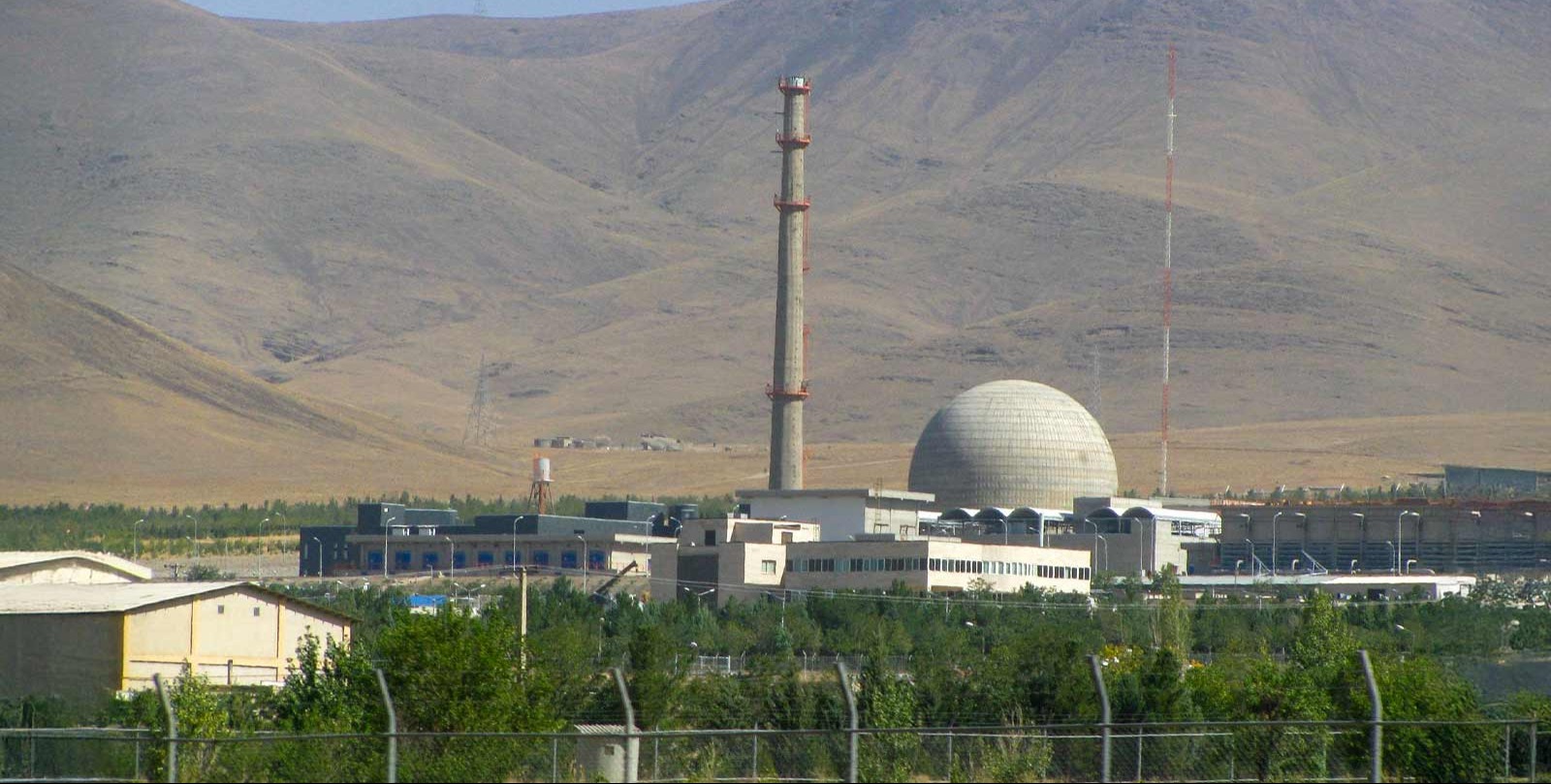
Netanyahu's visit underscores the heightened geopolitical tensions in the Middle East, particularly concerning Iran's nuclear ambitions and regional influence. The U.S. military buildup signals a potential shift in American foreign policy towards a more confrontational stance against Iran, which could have significant implications for regional stability. This development may affect global oil markets, international diplomatic relations, and the security dynamics in the Middle East. The visit also highlights the close ties between the U.S. and Israel, particularly in addressing mutual security concerns.
What's Next?
The outcome of Netanyahu's visit could influence U.S. policy decisions regarding Iran, potentially leading to increased sanctions or military actions. The international community will be closely monitoring the situation, as any escalation could have widespread repercussions. Diplomatic efforts may intensify to prevent further conflict, with potential involvement from other global powers. The situation may also impact domestic politics in both the U.S. and Israel, as leaders navigate the complex geopolitical landscape.