

What's Happening?
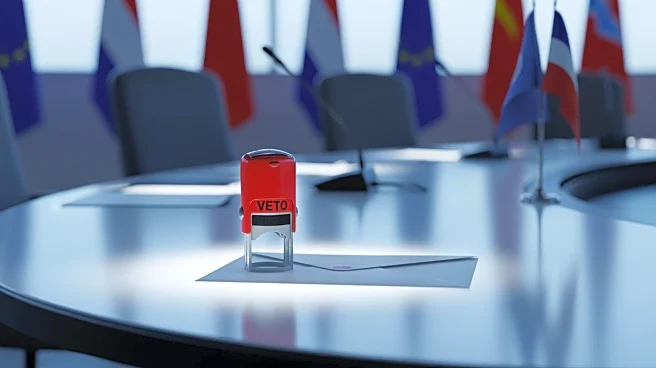
Hungarian Prime Minister Viktor Orbán is facing criticism from the European Union after threatening to veto a €90 billion loan package for Ukraine. This move has escalated tensions as Ukraine urgently seeks financial support amid ongoing conflict. Orbán's
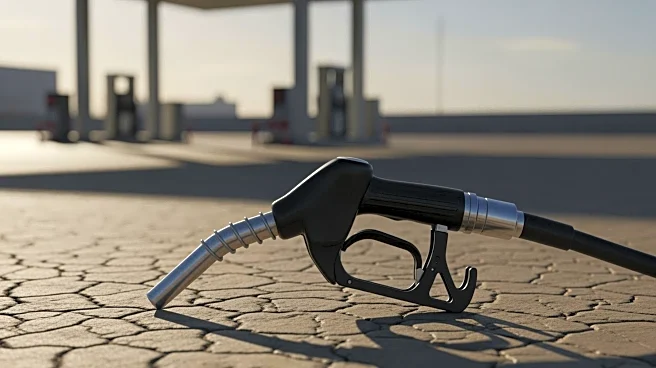
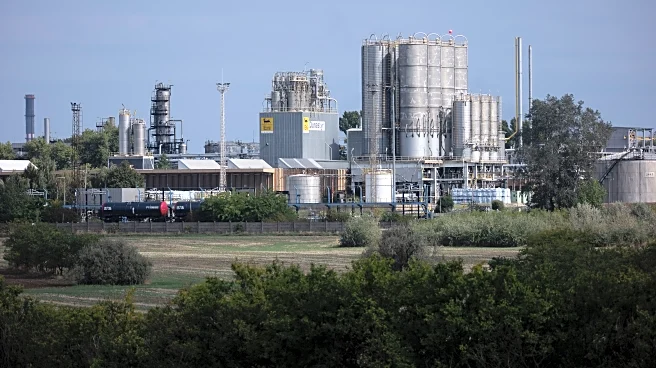
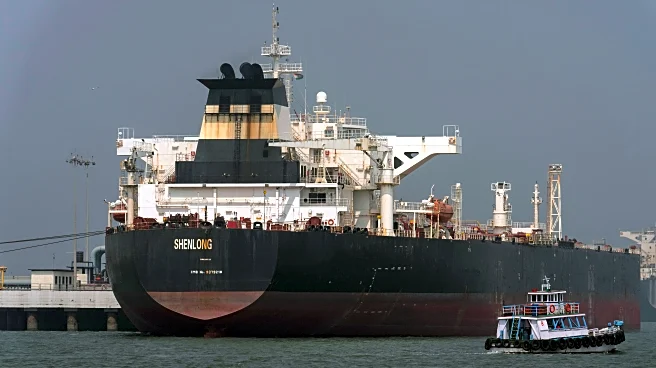
reversal on the loan, which he initially supported, has been linked to disruptions in the Druzhba pipeline, a key route for Russian oil to Hungary. The EU is considering punitive measures against Hungary, including stripping voting rights or tightening access to EU funds, as patience with Orbán's actions wears thin. The situation is further complicated by Hungary's upcoming elections, with Orbán trailing in polls.
Why It's Important?
Orbán's veto has significant implications for EU cohesion and Ukraine's financial stability. The loan is crucial for Ukraine, which is in dire need of economic support. The standoff highlights the EU's vulnerability to individual member states' domestic politics, which can disrupt collective decision-making. Orbán's actions also reflect broader geopolitical dynamics, as he is perceived as an ally of Russian President Vladimir Putin. The EU's response to this situation will be closely watched, as it could set a precedent for handling similar challenges in the future. The potential for sanctions against Hungary underscores the seriousness of the EU's commitment to supporting Ukraine.
What's Next?
The EU must navigate a complex situation as it seeks to resolve the loan impasse. Leaders face a choice between confronting Orbán publicly or delaying the loan, which could harm Ukraine's financial situation. The upcoming Hungarian elections add another layer of complexity, as EU officials are wary of actions that could be seen as interference. However, a resolution is necessary to ensure Ukraine receives the support it needs. If Orbán remains in power, the EU may take more decisive actions to limit his ability to block key decisions. If the opposition prevails, the EU may adopt a more cautious approach.