



What's Happening?
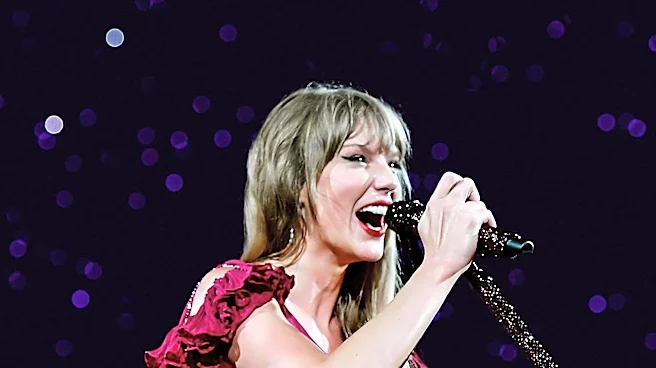
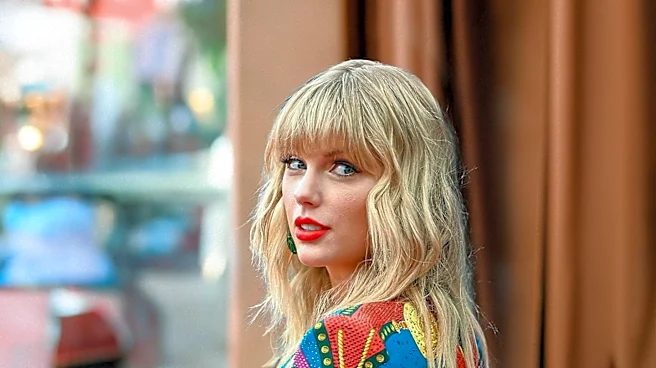
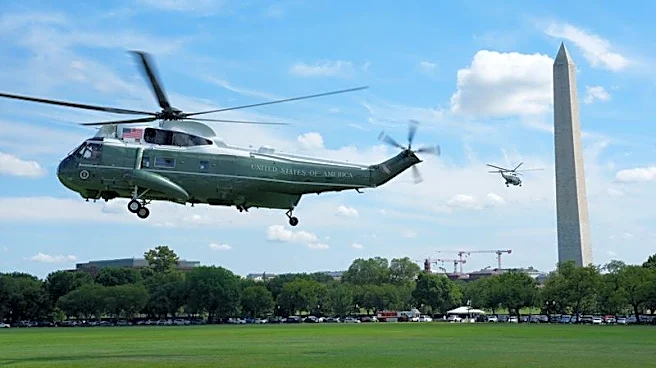
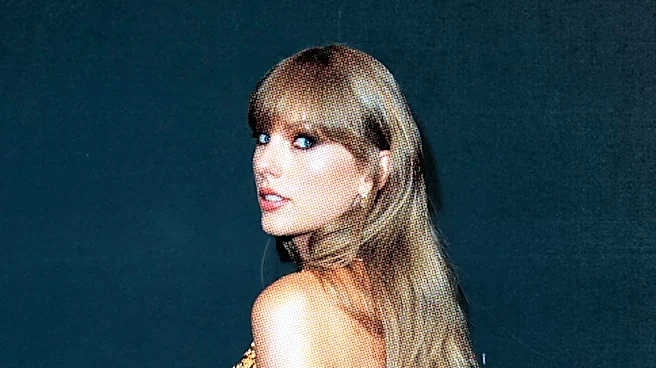
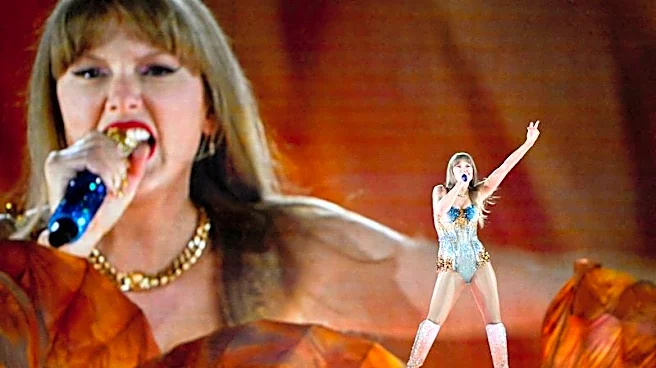
Taylor Swift's music has been quietly removed from social media posts associated with President Trump's campaign and the White House. This action comes without public comment from Swift, who is known for being protective of her brand. The removal follows
a pattern where other artists, such as Katy Perry and Noah Kahan, have vocally opposed the use of their music in political contexts they do not support. Perry's song 'Firework' was used in a TikTok video featuring military imagery, prompting her to express her disapproval. Similarly, Kahan objected to his song 'American Cars' being used in a post featuring President Trump at a General Motors facility. The use of music in political settings without permission has been a recurring issue for the Trump administration, with previous incidents involving artists like Beyoncé and Bruce Springsteen.
Why It's Important?
The removal of Taylor Swift's music from Trump-related social media posts highlights ongoing tensions between artists and political figures over the unauthorized use of music. This issue underscores the broader debate about intellectual property rights and the ethical implications of using art in political campaigns. For artists, the unauthorized use of their work can be seen as an endorsement of political views they do not share, potentially alienating their fan base. For political campaigns, using popular music can increase engagement and reach, but it risks legal challenges and public backlash. This situation reflects the complex relationship between politics and entertainment, where the use of cultural products can have significant implications for both creators and political figures.
What's Next?
It remains to be seen whether Taylor Swift or her representatives will take further action regarding the unauthorized use of her music. The Trump administration may face increased scrutiny and potential legal challenges from artists seeking to protect their intellectual property rights. This situation could prompt political campaigns to be more cautious in their use of music, potentially leading to changes in how music licensing is handled in political contexts. Artists may also become more proactive in monitoring and controlling the use of their work to prevent unauthorized associations with political figures or causes.