



What's Happening?
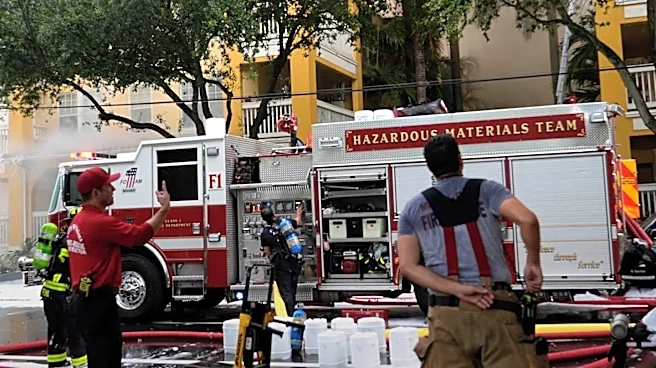
An evacuation order affecting hundreds of residents in central Illinois was lifted Saturday after law enforcement agencies completed a search of an industrial site. A bomb was discovered Friday afternoon at the BioUrja Renewables facility in Peoria. Authorities
confirmed the device was "rendered safe," prompting an evacuation of residents within a one-mile radius while the surrounding area was thoroughly searched. State, federal, and local law enforcement conducted an extensive sweep of the facility and reported finding no other items of concern. The Peoria Police Department announced on its Facebook account that residents were free to return home and all roads would be reopened. The investigation into the incident is ongoing, with FBI Special Agent Ryan Presley stating that the agency is working to identify and apprehend the individual responsible. No arrests have been made, and no injuries have been reported in connection with the incident. Peoria, a city of approximately 110,000 residents, is located about 150 miles southwest of Chicago. The BioUrja plant, which processes ethanol, was acquired by the company in 2021 and is situated along the Illinois River.
Why It's Important?
The incident highlights the significant public safety concerns and logistical challenges that arise from threats involving industrial facilities, particularly those handling combustible materials like ethanol. The swift and coordinated response by multiple law enforcement agencies—local police, state authorities, and the FBI—underscores the seriousness with which such threats are treated, aiming to mitigate potential risks to both human life and critical infrastructure. The temporary displacement of hundreds of residents demonstrates the immediate societal impact of such events, causing disruption and anxiety within the community. Furthermore, the ongoing investigation by the FBI signals a potential federal dimension to the case, suggesting that authorities are looking into the possibility of broader implications or motives behind the placement of the device. The incident also brings attention to the security protocols and vulnerabilities of industrial plants that store hazardous materials, prompting potential reviews of safety measures to prevent future occurrences and protect surrounding populations.
What's Next?
The immediate next step involves the ongoing investigation led by the FBI, which aims to identify and apprehend the individual responsible for placing the bomb at the BioUrja Renewables facility. Law enforcement officials will likely be reviewing surveillance footage, interviewing witnesses, and analyzing any forensic evidence collected from the scene to piece together the circumstances of the incident. The Peoria Police Department has confirmed that the investigation will continue, indicating a sustained effort to bring the perpetrator to justice. For the BioUrja Renewables facility, there may be an internal review of security protocols and infrastructure to assess and potentially enhance protective measures against future threats. The community, having experienced a significant disruption, will likely be looking for updates on the investigation and assurances regarding the safety of industrial sites in their vicinity. Depending on the findings, there could be broader discussions about security standards for ethanol plants and similar facilities across the state or even nationally.
Beyond the Headlines
This incident in Peoria extends beyond a localized security event, touching upon broader themes of industrial vulnerability and the potential for domestic threats. The targeting of an ethanol plant, which handles highly combustible chemicals, raises questions about the motivations behind such acts and whether they are aimed at economic disruption, environmental concerns, or broader acts of terror. The event could prompt a re-evaluation of security measures at similar industrial facilities nationwide, particularly those located near residential areas, leading to increased investment in surveillance, access control, and emergency response planning. Furthermore, the incident underscores the psychological impact on communities living in proximity to industrial sites, potentially fostering increased public awareness and concern about industrial safety and security. The ongoing FBI involvement suggests that the incident is being treated with a high level of seriousness, potentially indicating a wider effort to understand and counter threats to critical infrastructure, which could influence national security policies and resource allocation for counter-terrorism efforts.