




What's Happening?
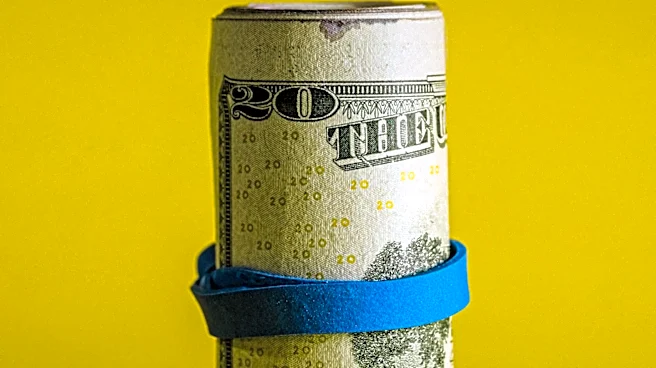
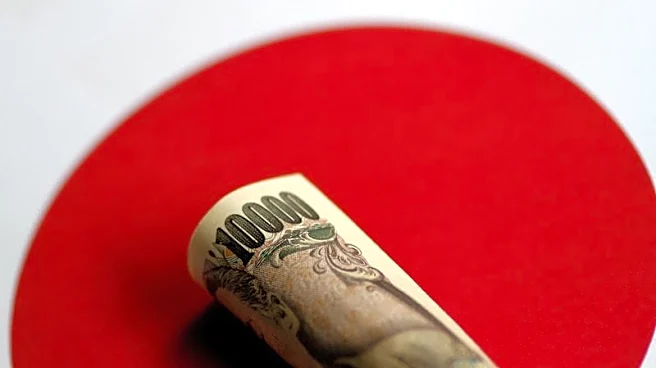
Japan's Finance Minister Satsuki Katayama is set to confirm a joint intervention with the United States to support the yen, which has been experiencing significant depreciation. The Bank of Japan (BOJ) reportedly sold up to $58.97 billion to bolster the yen, marking
the first joint intervention since 2011. This move comes as the yen reached its weakest levels against the dollar since 1986. The intervention is part of a broader strategy to address the economic challenges posed by a weak yen, including rising import costs and inflation. The US Treasury has also indicated readiness for further action, highlighting the coordinated effort between the two nations.
Why It's Important?
The joint intervention underscores the economic interdependence between Japan and the US, as both countries face challenges related to currency fluctuations. A weaker yen impacts Japan's economy by increasing the cost of imports, which can exacerbate inflationary pressures. For the US, the intervention is crucial to prevent potential disruptions in the bond market, as Japan's actions could influence US Treasury yields. The collaboration between the two countries reflects a shared commitment to maintaining economic stability and addressing the risks associated with currency volatility.
What's Next?
The BOJ has signaled the possibility of a rate hike, which could further influence the yen's value. Both Japan and the US are prepared to take additional measures if necessary to stabilize the currency. Financial markets will be closely watching for any signs of renewed yen weakness, which could prompt further interventions. The ongoing coordination between Japan and the US will be critical in managing the economic implications of currency fluctuations.