





What's Happening?
Dietitians are highlighting specific snacks that can support liver health and reduce inflammation, a key factor in conditions like metabolic dysfunction-associated steatotic liver disease (MASLD), also known as fatty liver disease. Lisa Andrews, M.Ed.,
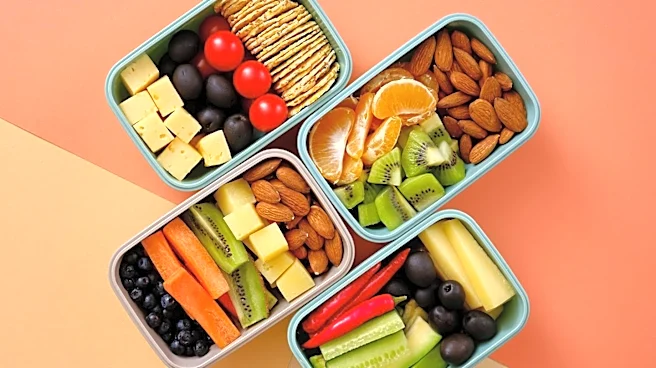
RD, LD, emphasizes that nuts, such as almonds, walnuts, and cashews, provide monounsaturated fats, vitamin E, and antioxidants that help reduce inflammation. Another recommended snack is grapefruit, which contains anti-inflammatory antioxidants like naringin and naringenin. However, Andrews advises caution with grapefruit due to potential interactions with certain medications, including statins, blood pressure medications, anti-anxiety medications, and antihistamines. Oranges are also noted for their hesperidin content, a flavonoid with antioxidant and anti-inflammatory properties. These dietary recommendations aim to combat inflammation, which, if unaddressed, can lead to scarring or cirrhosis of the liver.
Why It's Important?
The emphasis on anti-inflammatory snacks is crucial for public health in the U.S., given the rising prevalence of MASLD, which affects an estimated 38% of adults. This condition, characterized by fat buildup in the liver, is linked to poor metabolic health and can progress to severe liver damage. By promoting accessible and beneficial dietary choices, dietitians are offering a proactive approach to managing and potentially reversing liver issues through lifestyle changes. The advice on grapefruit's medication interactions is particularly vital, as it underscores the importance of personalized dietary guidance and medical consultation, preventing adverse health outcomes for individuals on specific treatments. This focus on diet as a preventative and management tool can significantly impact healthcare costs and improve the quality of life for millions of Americans at risk of or living with liver disease.
What's Next?
Individuals are encouraged to incorporate these anti-inflammatory snacks into their diets, but those considering grapefruit should consult their doctor or pharmacist first to avoid medication interactions. Further research is needed to fully understand the long-term effects and optimal dosages of compounds like naringenin and hesperidin in preventing and treating MASLD. Healthcare providers and dietitians will likely continue to educate the public on the benefits of anti-inflammatory diets and the importance of personalized nutritional advice. The ongoing focus on diet and lifestyle interventions suggests a continued shift towards preventative healthcare strategies to combat chronic conditions like liver disease.
Beyond the Headlines
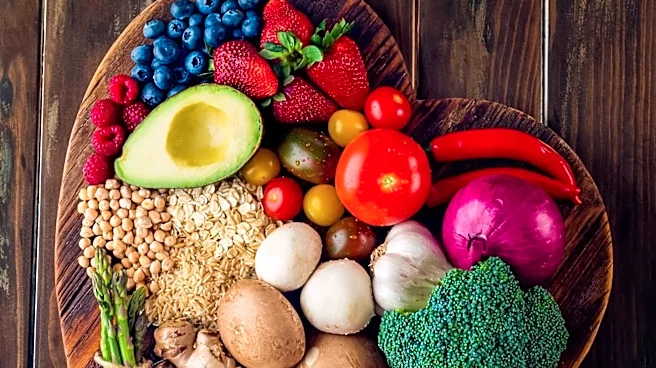
The discussion around anti-inflammatory diets extends beyond just liver health, touching upon broader implications for overall metabolic health and chronic disease prevention. The emphasis on whole, unprocessed foods rich in antioxidants and healthy fats aligns with general dietary guidelines for reducing systemic inflammation, which is implicated in numerous health conditions, including cardiovascular disease, diabetes, and certain cancers. This highlights a growing understanding of food as medicine and the interconnectedness of various bodily systems. The caution regarding grapefruit's drug interactions also underscores the complex interplay between diet, medication, and individual health, emphasizing the need for a holistic approach to wellness that integrates medical and nutritional expertise. This trend could lead to more integrated healthcare models where dietitians play an even more central role in patient care.