





What's Happening?
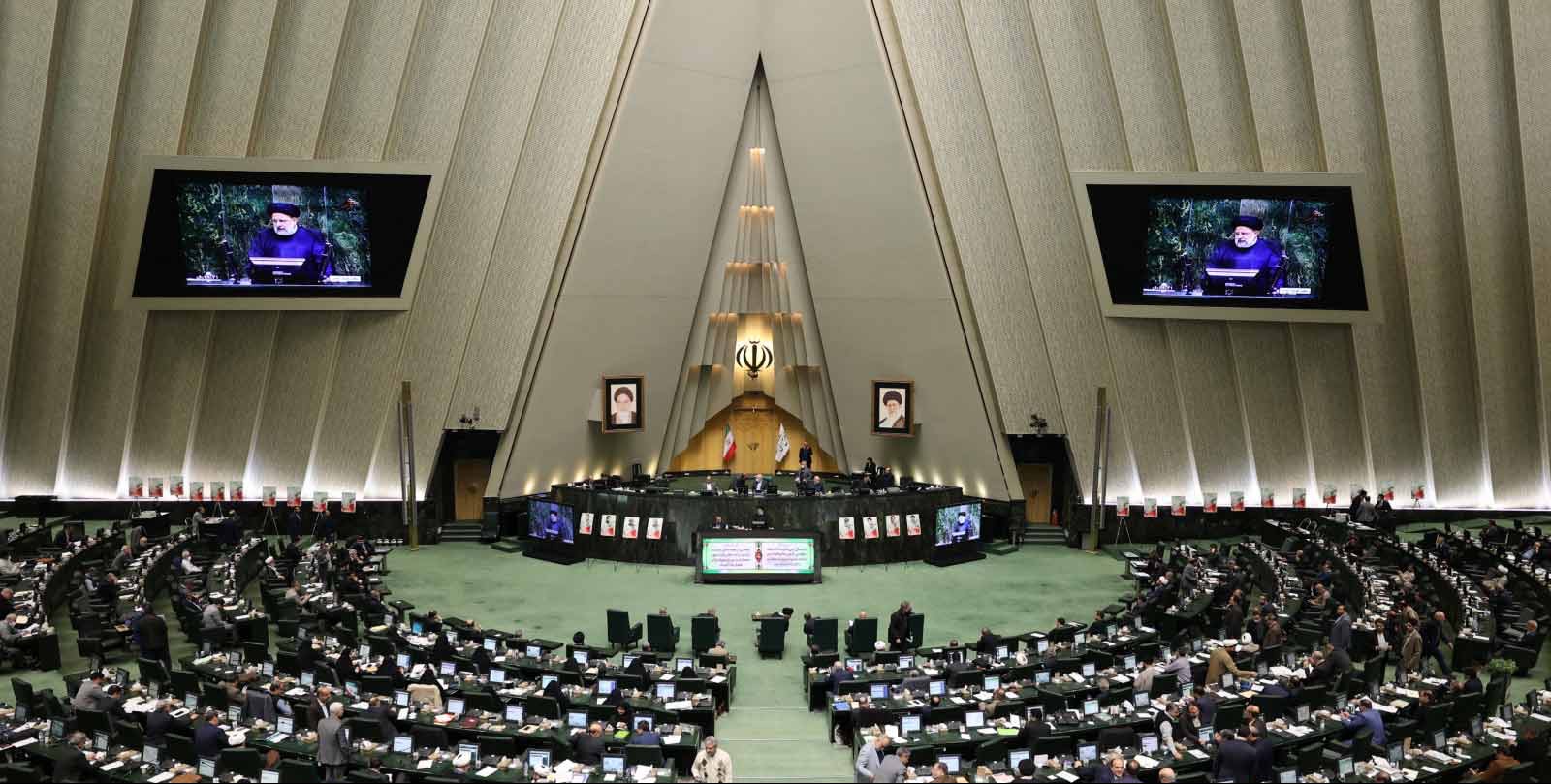
Esmaeil Baghaei, spokesperson for Iran's Foreign Ministry, criticized the European Union for what he described as hypocritical claims regarding international law violations. This response was triggered by a statement from Kaja Kallas, Vice-President of
the European Commission, asserting that transit through the Strait of Hormuz must remain open under international law. Baghaei argued that the EU's stance ignored potential violations by the U.S. and Israel, accusing them of launching a 'war of aggression.' He also defended Iran's right to take measures to prevent military use of the strait against it. This exchange highlights ongoing tensions in the region, particularly concerning the strategic Strait of Hormuz.
Why It's Important?
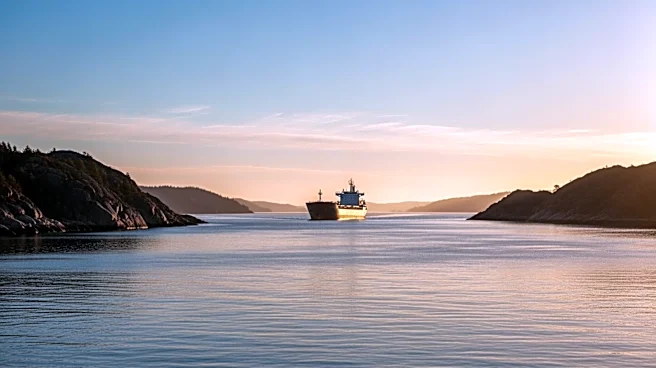
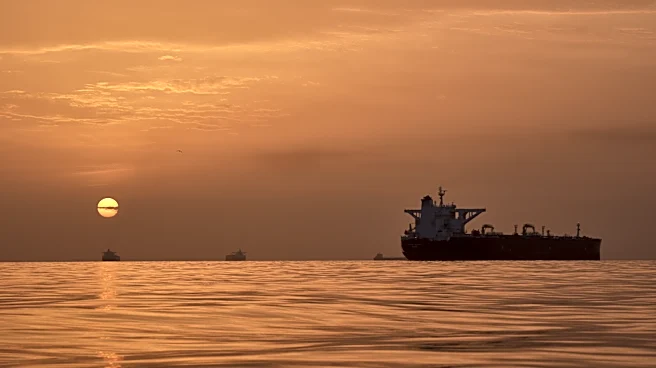
The Strait of Hormuz is a critical chokepoint for global oil shipments, and any conflict or restriction in this area can have significant implications for international energy markets. The exchange between Iran and the EU underscores the geopolitical tensions that can affect global trade and security. For the U.S., these developments are crucial as they involve key allies and adversaries in a region vital to global energy supplies. The situation also raises questions about international law and the balance of power, potentially impacting diplomatic relations and military strategies in the region.