






What's Happening?
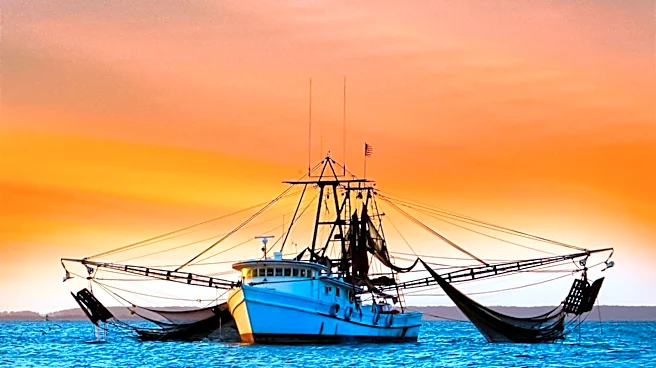
The United Nations is currently reviewing a proposal to eliminate bottom trawling on high-seas seamounts by the end of 2027. This initiative, put forth by Armenia and Monaco, has garnered support from non-profit organizations such as the Deep Sea Conservation
Coalition (DSCC) and the Marine Conservation Institute. These groups assert that the proposed phase-out would safeguard approximately 21 percent of the seafloor, protecting diverse marine life and supporting the broader marine ecosystem. The UN regularly addresses fisheries resolutions, with its annual 'Oceans and the law of the sea' resolution typically adopted in December. The DSCC emphasizes that seamounts are crucial 'lifelines of the ocean,' harboring extraordinary biodiversity. This proposal follows a 2025 proclamation by multiple organizations, including the DSCC, urging governments to protect seamount ecosystems from destructive fishing, a call backed by over 400 scientists. In October 2025, the International Union for Conservation of Nature adopted a resolution to end bottom trawling in seamounts by the end of 2026, which has since evolved into the current proposal.
Why It's Important?
The potential phase-out of bottom trawling on high-seas seamounts carries significant implications for marine conservation and global fisheries management. If adopted, this measure would represent a substantial step towards protecting vulnerable deep-sea ecosystems, which are vital for ocean biodiversity and health. The DSCC highlights that seamounts play a critical role in sustaining marine life, and their protection could have cascading positive effects on wider ocean ecosystems. For the U.S., this could align with broader environmental protection goals and potentially influence international fishing practices that impact U.S. waters or fishing fleets operating globally. Conversely, the International Coalition of Fisheries Associations (ICFA) has previously defended trawling, arguing it is essential for global food security. A ban could therefore face opposition from commercial fishing interests that rely on this method, potentially leading to economic adjustments within the industry and debates over sustainable food systems versus environmental protection.
What's Next?
The UN is expected to continue discussions on the proposal to phase out bottom trawling on high-seas seamounts. The ongoing UNGA Sustainable Fisheries Resolution negotiations are seen as a critical opportunity for governments to translate their commitments into concrete action. The resolution text, proposed by Armenia, aims to prioritize the protection of seamount ecosystems from various threats, including overfishing and destructive fishing practices. The outcome of these negotiations will determine the timeline and scope of any potential ban. Stakeholders, including environmental non-profits and fishing industry representatives, will likely continue to advocate for their respective positions. The decision could also set a precedent for future international agreements on ocean governance and conservation, particularly concerning deep-sea environments and the implementation of biodiversity protection targets.
Beyond the Headlines
The debate over bottom trawling on high-seas seamounts extends beyond immediate environmental concerns, touching upon complex issues of international law, economic interests, and the balance between resource exploitation and conservation. The proposal highlights the growing recognition of the ecological importance of deep-sea habitats, which were once considered beyond the reach of significant human impact. The push for a ban reflects a broader shift towards more precautionary and ecosystem-based approaches to ocean management. This development could also influence the development of new fishing technologies and practices, encouraging innovation in sustainable seafood harvesting. Furthermore, it underscores the ongoing tension between the economic needs of fishing communities and industries, and the imperative to protect fragile marine environments for future generations, raising ethical questions about humanity's stewardship of global commons.