





What's Happening?
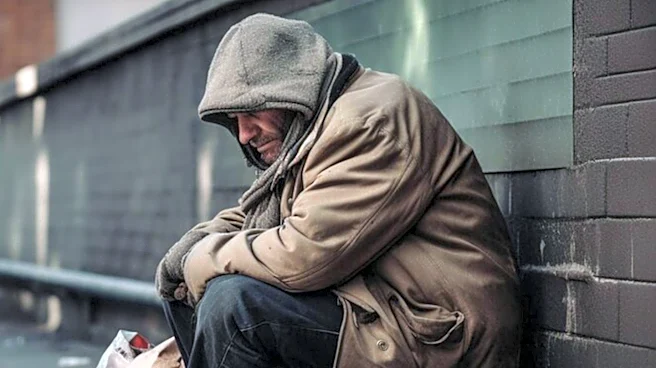
The U.S. prison system is facing a crisis as its aging population struggles with inadequate healthcare. Many incarcerated seniors, like Donald Snook, who has been in prison for over 50 years, suffer from chronic illnesses and receive insufficient medical
care. The lack of specialized staff, low budgets, and systemic neglect contribute to the poor health outcomes of elderly prisoners. Studies show that incarcerated individuals age faster due to the stress of prison life and pre-existing conditions. The cost of incarcerating older individuals is significantly higher, yet they often do not receive the necessary level of care.
Why It's Important?
The aging prison population presents a significant challenge for the U.S. criminal justice system. As the number of elderly inmates grows, the demand for healthcare services increases, straining already limited resources. This situation raises ethical and financial concerns, as taxpayers bear the cost of inadequate care that fails to meet the needs of aging prisoners. The issue also highlights broader questions about the purpose of incarceration and the need for reform, particularly in terms of compassionate release and alternative sentencing for non-violent elderly offenders.
What's Next?
Addressing the healthcare needs of aging prisoners will require systemic changes, including increased funding for prison healthcare, better training for medical staff, and policy reforms to allow for compassionate release. Advocacy groups and policymakers may push for legislative changes to improve conditions for elderly inmates and explore alternatives to incarceration for non-violent offenders. The ongoing debate about prison reform and the treatment of aging prisoners is likely to continue, with potential implications for public policy and the criminal justice system.