






What's Happening?
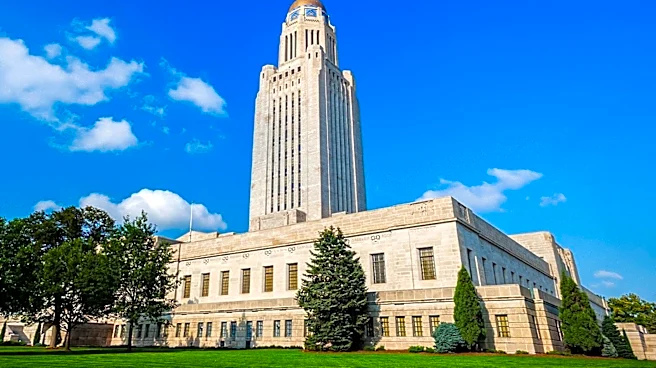
Nebraska's implementation of new federally mandated work requirements for Medicaid has resulted in over 1,000 individuals losing or being denied coverage between May and August of this year. Human Rights Watch, Oxfam America, and Nebraska Appleseed report
that this chaotic rollout highlights potential issues for other states as a nationwide deadline of January 1, 2027, approaches. These new rules, part of the Trump administration's One Big Beautiful Bill Act (OBBBA) passed in July 2025, require most adults without dependents to document at least 80 hours per month of work, education, or other approved activities to maintain Medicaid coverage. An individual, Eli McCreary, 64, lost his Medicaid coverage while undergoing kidney cancer treatment because he was unable to work, disrupting his care. A Medicaid eligibility worker in Nebraska described the rollout as rushed and confusing, citing poor training, vague guidance, and technical issues with software systems. The OBBBA imposed new eligibility criteria on nearly 20 million adults without dependents across 40 states and the District of Columbia who rely on expanded Medicaid coverage under the Affordable Care Act.
Why It's Important?
The situation in Nebraska serves as a critical indicator for the potential impact of Medicaid work requirements across the United States. The Urban Institute estimates that between 3 and 7 million people nationally could lose Medicaid coverage by 2028 due to these new requirements, while the Congressional Budget Office projects an increase of 4.8 million uninsured people by 2034. These losses disproportionately affect low-income individuals, potentially deepening inequality and undermining their rights to health, social security, and an adequate standard of living, as highlighted by international human rights law. The administrative burdens and disruptions in healthcare access experienced in Nebraska could be replicated nationwide, leading to significant public health challenges and increased strain on emergency services for those who lose coverage. The federal government's decision to issue binding guidance requiring burdensome case-by-case assessments, rather than blunting the impact of the OBBBA's Medicaid cuts, further exacerbates these concerns.
What's Next?
As the January 1, 2027, deadline for states to implement Medicaid work requirements approaches, more individuals across the country are at risk of losing healthcare coverage. Officials in Nebraska and other states are urged to identify ways to reduce administrative burdens, simplify eligibility assessments, and strengthen existing exemptions for vulnerable populations. Improved communication regarding who is subject to these requirements and who is exempt is crucial. Advocacy groups like Nebraska Appleseed will continue to press for transparency, requesting data on application denials, coverage terminations, appeals, and reinstatements to better understand and address the impact of these policies. The ongoing implementation will likely face continued scrutiny from human rights organizations and healthcare advocates, who argue that these work requirements are a 'solution in search of a problem' and make life harder for those already working or unable to work.
Beyond the Headlines
The implementation of Medicaid work requirements raises profound ethical and societal questions about access to healthcare as a fundamental right. The case of Eli McCreary, losing coverage while battling cancer, underscores the human cost of these policies and the potential for administrative hurdles to override critical medical needs. Beyond the immediate loss of coverage, these requirements could lead to a long-term shift in the social safety net, potentially increasing health disparities and exacerbating poverty among already vulnerable populations. The debate also touches on the role of government in providing essential services versus individual responsibility, with critics arguing that such policies punish those who are genuinely unable to work or navigate complex bureaucratic systems. The broader implication is a potential redefinition of who is deemed 'deserving' of public assistance, with significant consequences for the nation's public health infrastructure and social equity.