
What's Happening?
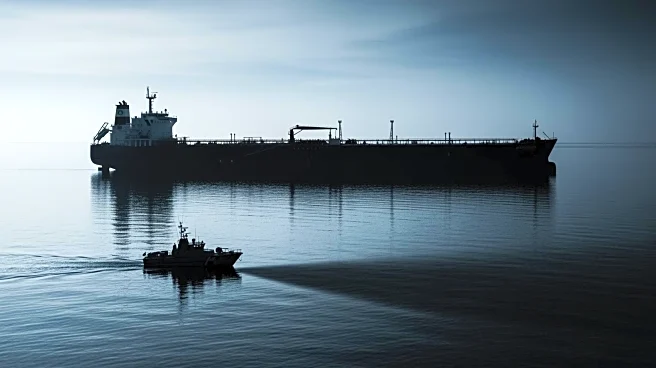
The United States has confirmed the seizure of an oil tanker near Venezuela, marking the second such incident this month. The operation was conducted by the U.S. Coast Guard in international waters. This
action is part of a broader U.S. strategy to enforce sanctions and maintain control over maritime activities in the region. Concurrently, the U.S. military has launched a significant retaliatory strike against ISIS in Syria, targeting over 70 locations. These developments highlight the U.S.'s ongoing efforts to assert its influence and address security threats in multiple regions.
Why It's Important?
The seizure of the oil tanker underscores the U.S.'s commitment to enforcing international sanctions, particularly those related to Venezuela's oil industry. This action could further strain U.S.-Venezuela relations and impact global oil markets, potentially affecting oil prices and supply chains. Additionally, the military strikes in Syria demonstrate the U.S.'s continued focus on combating terrorism and maintaining regional stability. These actions may influence U.S. foreign policy and defense strategies, affecting international relations and security dynamics.
What's Next?
Future developments may include diplomatic responses from Venezuela and other affected nations, potentially leading to increased tensions or negotiations. The U.S. may continue to monitor and intercept vessels suspected of violating sanctions, reinforcing its maritime security measures. In Syria, the U.S. military may conduct further operations to dismantle ISIS networks, with potential implications for regional security and U.S. military presence in the Middle East.