
What's Happening?
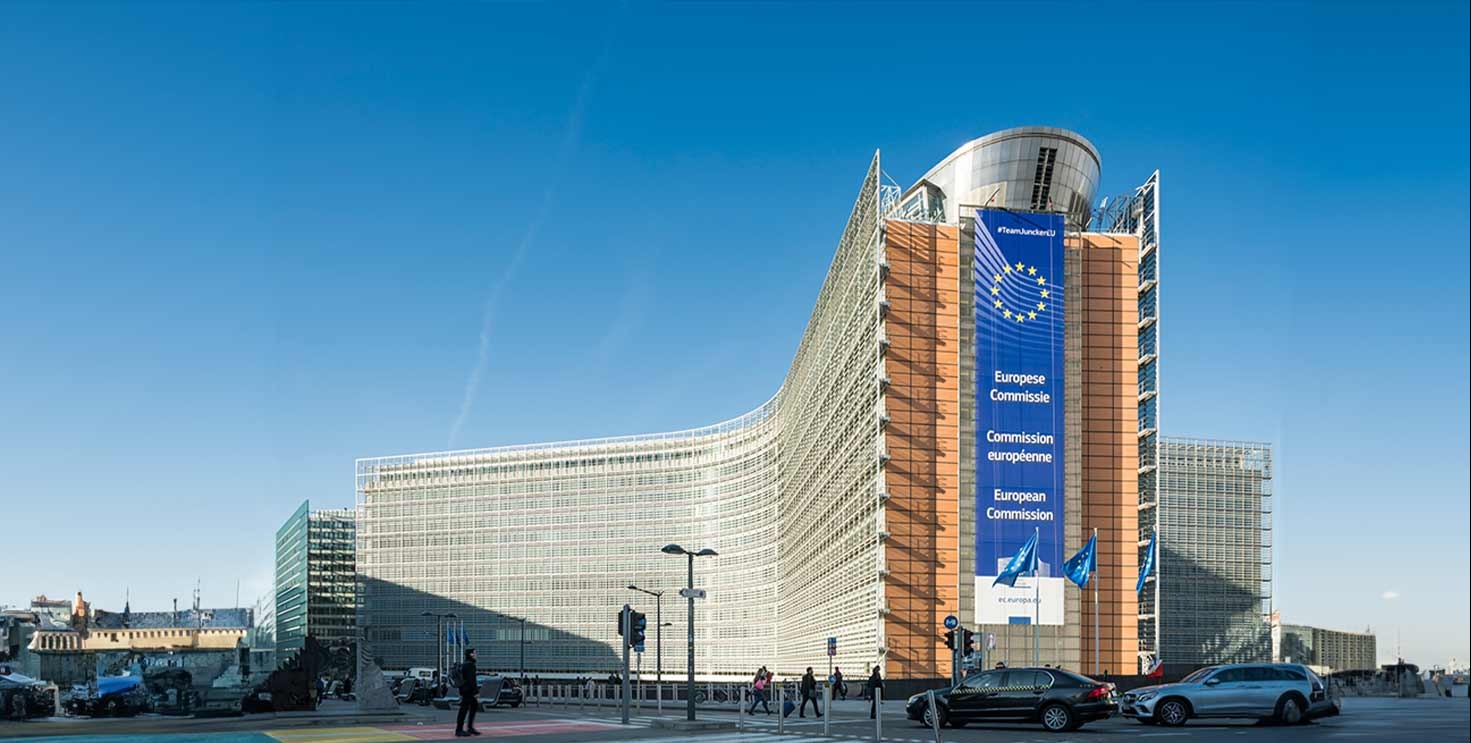
The recently concluded EU-India free trade agreement, described as the 'mother of all trade deals,' is poised to significantly impact Bangladesh's export landscape. This agreement, finalized after over
two decades of negotiations, grants India substantial market access in sectors like textiles, apparel, leather, and footwear, which have been pivotal to Bangladesh's export success in Europe. With Bangladesh set to graduate from its Least Developed Country (LDC) status in November 2026, the timing of this deal is particularly challenging. The EU-India FTA eliminates tariffs that previously constrained Indian exports, thereby enhancing India's competitiveness in the EU market. This development comes as Bangladesh's preferential access to the EU is expected to diminish post-graduation, potentially altering the competitive dynamics in its most crucial export market.
Why It's Important?
The EU-India trade deal is significant as it reshapes the competitive environment for Bangladesh, which has relied heavily on preferential trade terms to bolster its export economy. The agreement's provisions, such as customs facilitation and regulatory cooperation, are expected to reduce transaction costs and improve predictability for Indian exporters, further integrating them into European value chains. This shift poses a threat to Bangladesh, which has historically benefited from LDC status to expand its share in the EU apparel market. As India gains duty-free access, Bangladesh faces the risk of losing its competitive edge, especially in the garment sector, which constitutes over 90% of its exports to the EU. The potential decline in Bangladesh's exports could have broader economic implications, affecting employment and economic stability.
What's Next?
Bangladesh must urgently address the uncertainty surrounding its post-graduation market access to the EU. Securing duty-free access for garments under the Generalised Scheme of Preferences Plus (GSP+) and negotiating favorable rules of origin are critical priorities. Additionally, Bangladesh needs to elevate export competitiveness to a national economic priority, involving coordinated reforms in trade policy, logistics, and regulatory capacity. The country must also focus on attracting foreign direct investment in key sectors to sustain export growth. Without significant policy action, Bangladesh risks losing its competitive advantage in the EU market, which could have long-term economic repercussions.
Beyond the Headlines
The EU-India trade deal highlights the importance of compliance capacity in international trade. While the agreement is formally non-discriminatory, India's institutional readiness and regulatory cooperation with the EU may ease adaptation to new standards, whereas Bangladesh could face higher effective trade barriers due to rising compliance costs. This situation underscores the need for Bangladesh to enhance its regulatory framework and invest in building a more resilient and diversified export economy. The deal also reflects broader geopolitical shifts, as India strengthens its economic ties with the EU amid ongoing trade tensions with the US.