





What's Happening?
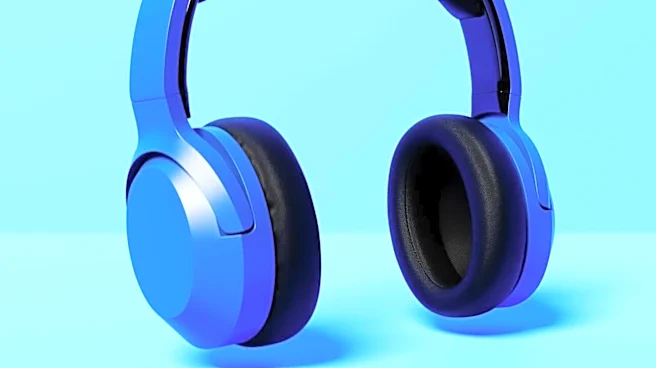
Neurable, a company specializing in AI for noninvasive brain-computer interface (BCI) technology, has introduced Neurable One. This new brain wearable is integrated into premium headphones, designed to provide continuous, real-time insights into brain activity
during everyday life. The device combines audio and active noise cancellation with 12 EEG sensors embedded in the ear pads, allowing for constant brain tracking. Users can monitor cognitive states such as focus, cognitive load, cognitive speed, and 'brain battery' through a newly developed iOS and Android app. This technology aims to make understanding cognitive performance and brain health as common as tracking physical health metrics like steps and heart rate. Neurable One is available in the United States for $499 USD.
Why It's Important?
The launch of Neurable One signifies a significant step in consumer neurotechnology, moving brain sensing from specialized lab equipment to an everyday wearable device. This development could revolutionize how individuals understand and manage their cognitive health, offering insights into mental fatigue and optimal focus times. For industries, this could lead to new applications in productivity tools, educational technologies, and personalized wellness programs. The ability to continuously track brain activity could also contribute to long-term research on cognitive performance and age-related cognitive decline. The integration into a familiar form factor like headphones lowers the barrier to entry for consumers, potentially creating a new market segment for brain health wearables and influencing the design of future personal technology.
What's Next?
Following its launch, Neurable One is expected to gather user data that could further refine its AI algorithms and expand its cognitive insights. The company's broader vision includes making brain sensing a seamless part of other wearables through OEM and licensing partnerships, potentially integrating this technology into gaming headsets, helmets, and other devices. This could lead to a wider adoption of brain-computer interface technology in various consumer products. Future developments might include more personalized recommendations for cognitive optimization, integration with other health tracking platforms, and potentially clinical applications for monitoring neurological conditions. The continuous collection of brain activity data could also contribute to a growing understanding of human cognition in real-world settings.
Beyond the Headlines
The introduction of Neurable One raises deeper implications regarding data privacy and the ethical use of brain activity data. As individuals continuously track their cognitive performance, questions about who owns this sensitive information and how it will be protected become paramount. There's also the potential for this technology to influence societal norms around productivity and mental well-being, possibly leading to increased pressure to optimize cognitive performance. On the other hand, it could empower individuals with greater self-awareness and tools for managing mental health, potentially reducing the stigma associated with cognitive challenges. The long-term impact on human-computer interaction and the potential for more intuitive, brain-controlled interfaces also represent a significant shift in how we interact with technology.