





What's Happening?
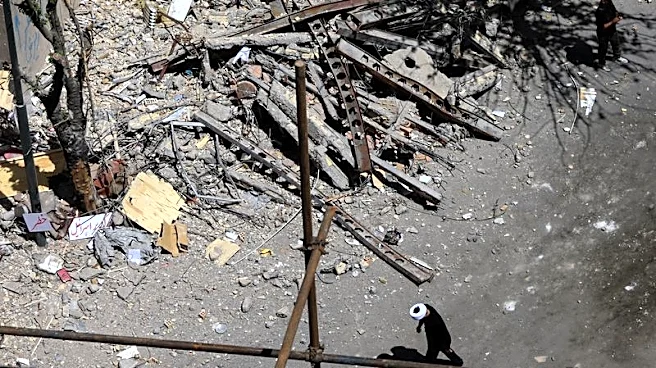
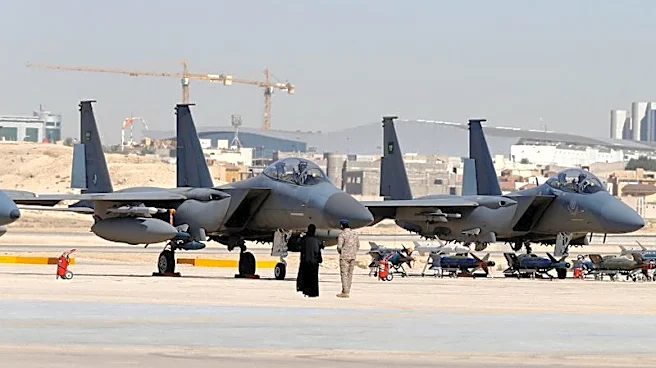
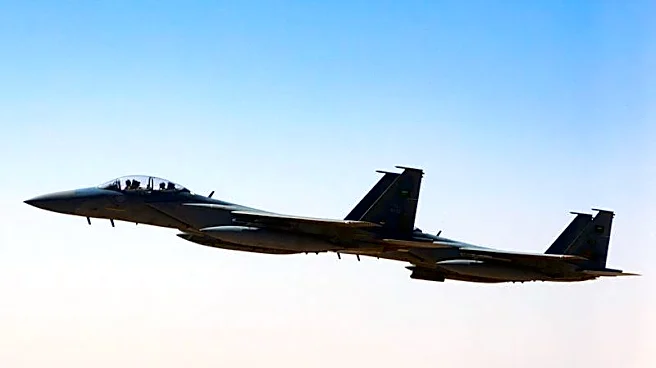
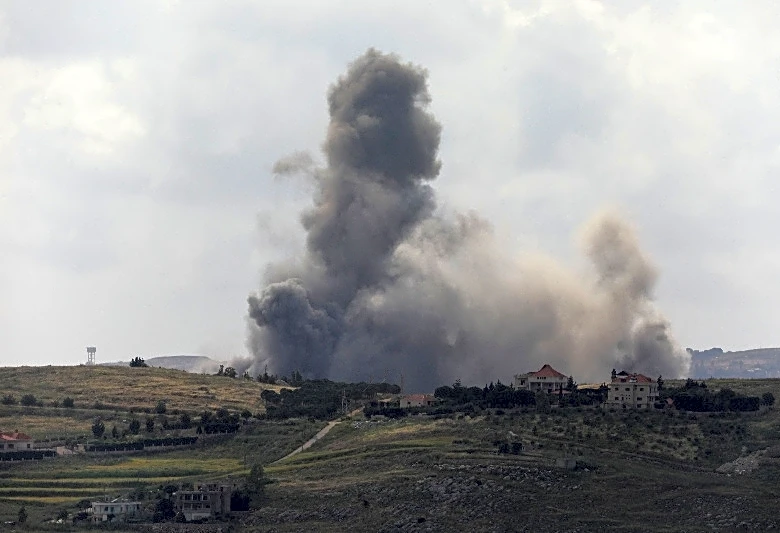
The Gulf states, including Saudi Arabia and the UAE, have taken a more proactive military role in response to Iranian aggression during the ongoing conflict. Saudi Arabia has conducted airstrikes against Iranian-backed militias in Iraq, while the UAE has reportedly
targeted Iranian sites. This shift marks a significant change in the Gulf states' approach, as they previously appeared to be absorbing attacks without retaliation. The conflict has also seen the UAE receiving Iron Dome missile defense systems from Israel, highlighting the deepening military cooperation between the two nations.
Why It's Important?
The evolving military role of the Gulf states in the Iran conflict signifies a strategic shift that could alter the balance of power in the Middle East. By taking direct military action, these states are asserting their willingness to defend their interests and deter further aggression. This development could lead to increased military engagements in the region, affecting global oil markets and international diplomatic efforts. The involvement of external powers, such as Israel and the U.S., further complicates the situation, potentially drawing in more countries into the conflict.
What's Next?
As the Gulf states continue to assert their military capabilities, the potential for escalation remains high. The international community may need to engage in diplomatic efforts to prevent further conflict and stabilize the region. The actions of the Gulf states could prompt Iran to reconsider its strategy, possibly leading to negotiations or further hostilities. The situation will likely remain fluid, with significant implications for regional security and international relations.