





What's Happening?
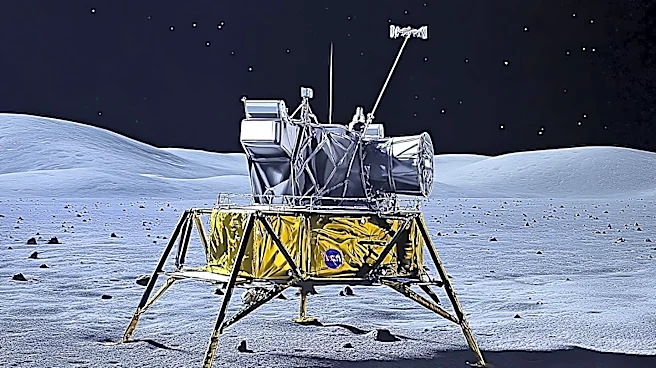
NASA has released a new book, 'NASA's Discovery Program: Competitive Planetary Exploration in the 21st Century,' which chronicles the program's history up to 2025. The Discovery Program, initiated in the early 1990s, was designed for focused, low-cost
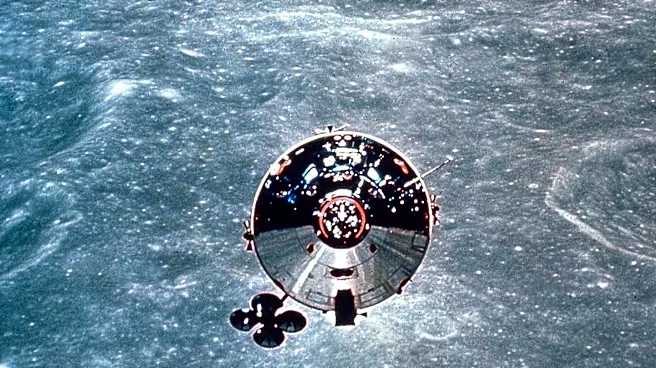
planetary exploration, marking a departure from traditional directed missions. Through 2025, the program launched 14 missions, significantly contributing to our understanding of exoplanets, returning comet samples to Earth, and reviving Mars exploration in the 1990s. Despite its successes, the program faced institutional resistance due to its competitive, cost-capped model. Over time, increasing mission ambitions and risk aversion led to more extensive reviews, longer development cycles, and higher costs, making it challenging for lean proposals to compete. The adoption of innovative technologies sometimes introduced risks, while international partnerships added complexity. The COVID-19 pandemic also caused disruptions, including delays and retirements.
Why It's Important?
The Discovery Program's history is crucial for understanding the evolution of U.S. planetary science and space exploration. Its emphasis on competitive, cost-capped missions aimed to maximize scientific return within budgetary constraints, influencing subsequent programs like New Frontiers. The challenges faced by Discovery, such as institutional resistance and the increasing complexity of missions, offer valuable lessons for future space endeavors, particularly regarding balancing innovation, risk, and cost-effectiveness. The program's accomplishments, from asteroid landings to exoplanet research, have significantly advanced scientific knowledge and inspired public interest in space. This historical account provides insights into the strategic and operational complexities of managing long-term, high-stakes scientific programs within a dynamic political and technological landscape, impacting how future U.S. space missions are conceived, funded, and executed.
What's Next?
While the book covers the program up to 2025, the insights gained from the Discovery Program's operational model and challenges will likely inform future NASA initiatives. The ongoing evolution of space exploration, with increasing private sector involvement and international collaborations, will continue to necessitate adaptive strategies for mission planning and execution. Lessons from Discovery regarding cost management, risk assessment, and the integration of new technologies will be vital as NASA pursues more ambitious goals, such as lunar bases and Mars missions. The program's legacy of fostering competitive proposals and innovative approaches will likely continue to shape the landscape of planetary science, encouraging a balance between scientific ambition and practical constraints in the pursuit of knowledge about our solar system and beyond.
Beyond the Headlines
The narrative of the Discovery Program extends beyond mere mission successes and failures; it reflects a broader tension within scientific exploration between audacious goals and practical limitations. The institutional resistance encountered by its competitive model highlights the inherent challenges in shifting established paradigms within large organizations like NASA. The program's journey underscores the importance of adaptability in the face of evolving technological capabilities, budgetary pressures, and unforeseen global events like pandemics. Furthermore, the increasing complexity and cost of missions, even those designed to be 'low-cost,' point to a fundamental challenge in deep space exploration: as our ambitions grow, so too do the demands on technology, resources, and international cooperation. This historical perspective offers a critical lens through which to evaluate the sustainability and future direction of U.S. space policy and scientific research.