






What's Happening?
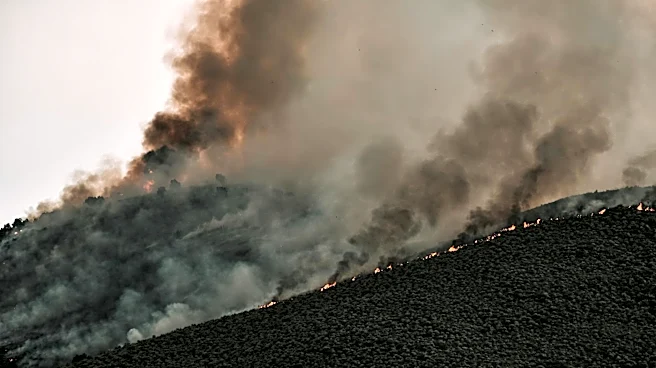
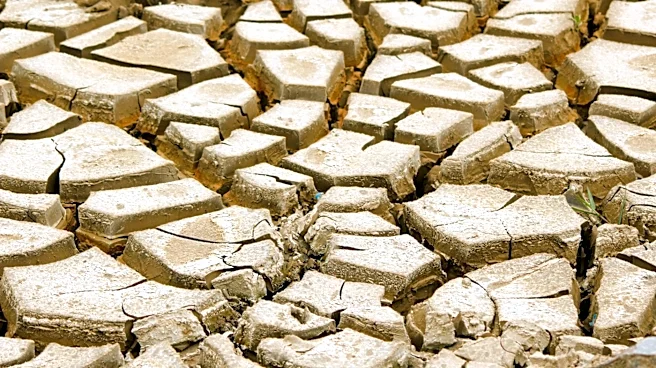
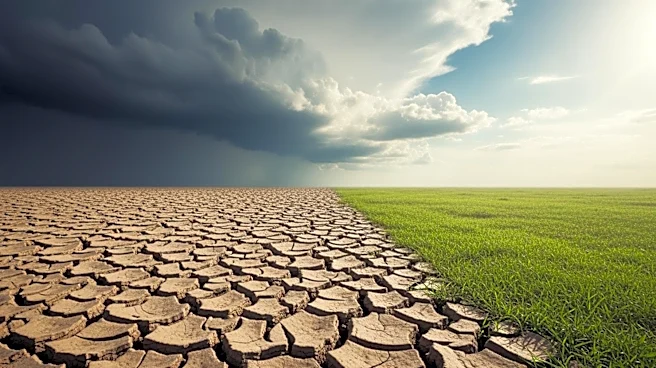
A new study published in Nature suggests that combined extreme climate events, such as concurrent hot-wet and drought-heat extremes, are likely to become more frequent if carbon emissions continue to rise. The study links the frequency of these compound
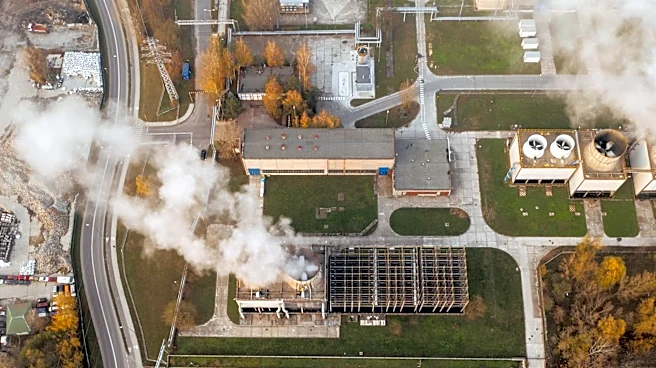
events to cumulative carbon dioxide emissions, indicating that more severe events will escalate rapidly. This finding suggests that current CO2 emission targets to limit global warming to 1.5°C and 2°C may need to be revised to address the broader impacts of climate change.
Why It's Important?
The study's findings highlight the need for a more comprehensive approach to climate policy and carbon budgeting. As compound climate events pose significant risks to societies and ecosystems, understanding their response to cumulative CO2 emissions is crucial for effective climate mitigation strategies. The research suggests that current emission targets may be insufficient to prevent the escalation of extreme events, emphasizing the urgency of reducing emissions and enhancing climate resilience. Policymakers and stakeholders must consider these findings in future climate negotiations and policy development.