











What's Happening?
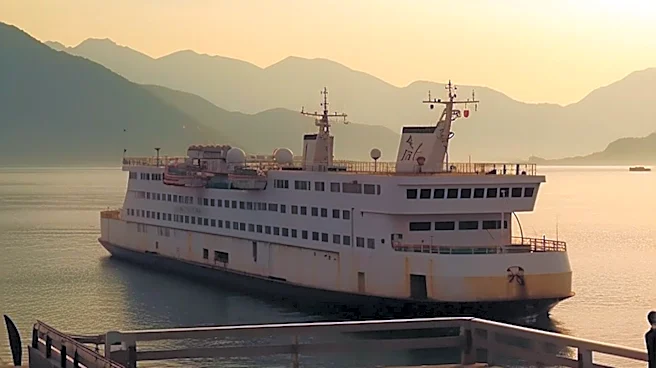
Brittany Ferries, a long-standing operator of ferry services between France and the UK, is facing significant financial challenges due to the European Union's Emissions Trading System (ETS) and rising taxes. The ETS, which was extended to the maritime
sector in January 2024, currently covers 70% of emissions and is set to reach 100% by 2027. Despite investing in a fleet renewal project, including two LNG-electric-hybrid ferries, the company reports substantial financial burdens. Brittany Ferries is planning to sell two older ferries and adjust its service routes, including closing the Poole to Cherbourg route and reallocating resources to maintain daily service from Portsmouth to Cherbourg.
Why It's Important?
The financial strain on Brittany Ferries highlights the broader impact of environmental regulations on the maritime industry. The company's decision to sell vessels and alter routes underscores the economic pressures faced by operators adapting to stricter emissions standards. This situation could lead to reduced service options for passengers and potential job losses within the company. Additionally, the move reflects the ongoing challenges of balancing environmental goals with economic viability, a critical issue for industries worldwide as they transition to greener operations.
What's Next?
Brittany Ferries plans to implement these changes by November, with potential legal challenges pending regarding competition on certain routes. The company aims to minimize customer disruptions and offer refunds where necessary. The broader maritime industry will likely monitor these developments closely, as similar financial pressures could affect other operators. Stakeholders, including policymakers and environmental groups, may need to consider adjustments to support the industry's transition while maintaining service levels and employment.