





What's Happening?
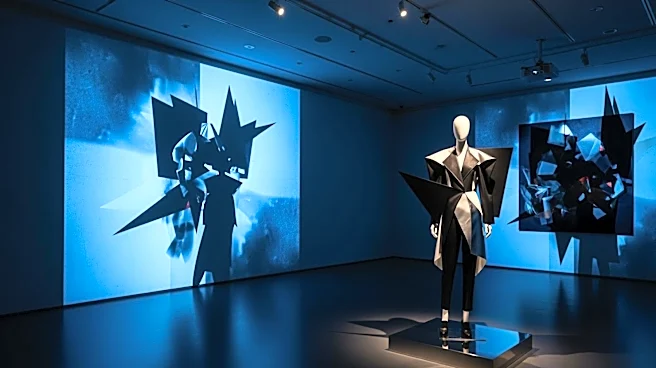
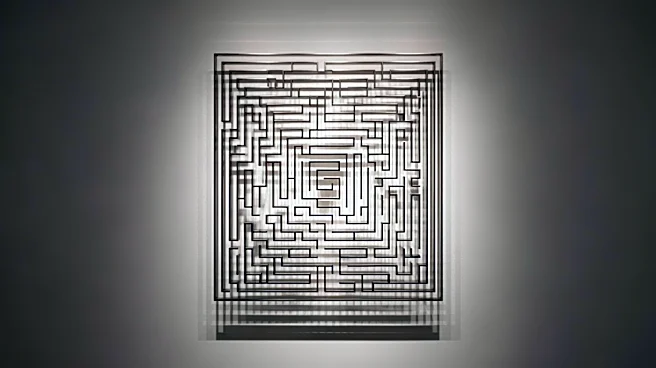
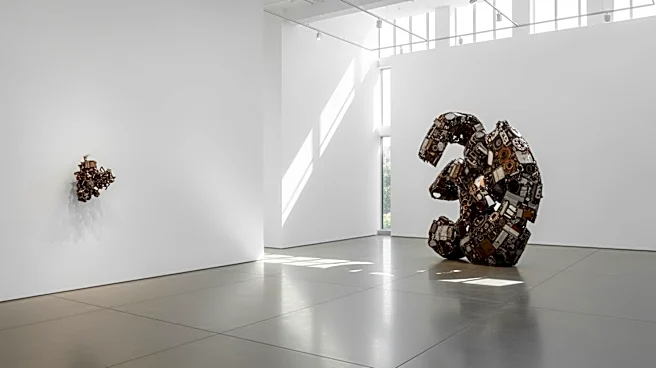
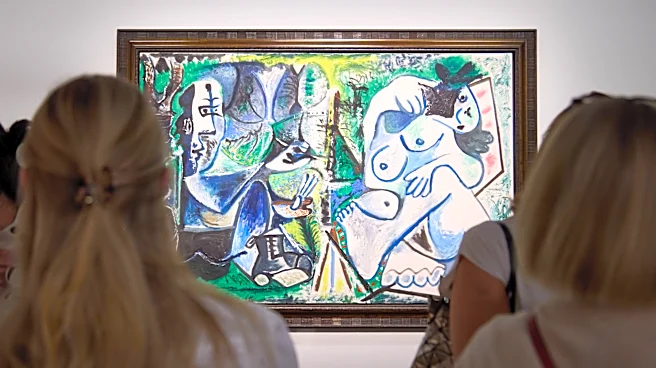
Art Basel, one of the world's most prestigious modern and contemporary art fairs, is currently taking place in Basel, Switzerland. The event features 290 exhibitors, including top galleries from around the globe, showcasing works from renowned artists
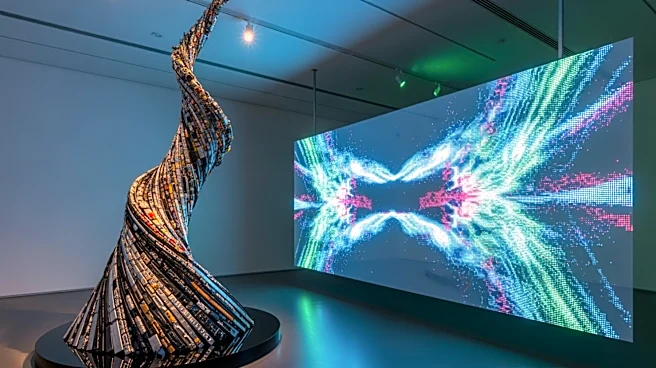
like Picasso and Warhol, alongside emerging talents. Noah Horowitz, who has been the CEO of Art Basel since 2022, is at the forefront of this event. Under his leadership, Art Basel has expanded its reach by adding new fairs in Paris and Qatar, in addition to its existing locations in Basel, Miami Beach, and Hong Kong. This expansion has sparked discussions about the sustainability of such growth and its impact on the art market, particularly concerning mid-tier galleries. Art Basel has also introduced new initiatives like the Zero 10 platform for digital art and the Art Basel Awards, reflecting the evolving dynamics of the art world.
Why It's Important?
The expansion of Art Basel highlights significant trends and challenges within the global art market. As the fair grows, it raises questions about the sustainability of such rapid expansion and its effects on smaller galleries that may struggle to compete. The introduction of digital platforms and awards indicates a shift towards embracing new forms of art and technology, which could redefine market dynamics. This expansion could potentially benefit major galleries and collectors by providing more opportunities for exposure and sales. However, it may also exacerbate existing inequalities in the art world, where smaller players find it increasingly difficult to maintain visibility and financial viability. The decisions made by Art Basel could influence other art fairs and the broader market, impacting how art is bought, sold, and appreciated worldwide.
What's Next?
As Art Basel continues to expand, stakeholders in the art world will likely monitor its impact on the market closely. Galleries, artists, and collectors may need to adapt to the changing landscape, potentially exploring new strategies to engage with digital art and international audiences. The sustainability of Art Basel's growth model will be a key focus, with potential adjustments needed to ensure that the fair remains inclusive and supportive of diverse artistic expressions. Future developments may include further integration of technology in art exhibitions and sales, as well as initiatives to support mid-tier galleries. The art community will be watching to see how Art Basel navigates these challenges and opportunities, setting a precedent for other major art events.