


What's Happening?
Alexander Butterfield, a former aide to President Richard Nixon, has died at the age of 99. Butterfield is best known for his pivotal role in the Watergate scandal, where he revealed the existence of a secret taping system in the White House. This disclosure
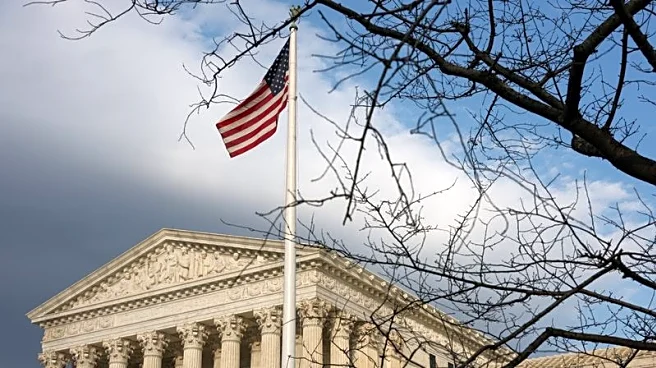
was crucial in the investigation that ultimately led to Nixon's resignation. Butterfield's testimony before the Senate Watergate Committee in 1973 confirmed suspicions about the taping system, setting off a legal battle over the tapes that culminated in the Supreme Court ordering Nixon to release them.
Why It's Important?
Butterfield's revelation of the White House taping system was a turning point in the Watergate scandal, highlighting the importance of transparency and accountability in government. His actions underscored the role of whistleblowers in uncovering political corruption and have had a lasting impact on American political history. The tapes provided critical evidence of Nixon's involvement in the Watergate cover-up, leading to his resignation and reshaping public trust in government institutions.
What's Next?
Butterfield's death may prompt renewed interest in the Watergate scandal and its implications for current political practices. Historians and political analysts might revisit the events of Watergate to draw parallels with contemporary issues of government transparency and accountability. The legacy of Watergate continues to influence discussions on executive power and the checks and balances necessary to prevent abuse.