



What's Happening?
The Centers for Medicare & Medicaid Services (CMS) is focusing on AI-enabled ambient sensing technology to address the rising costs associated with aging at home. With the U.S. population aging rapidly, CMS has proposed changes in the 2026 Physician Fee
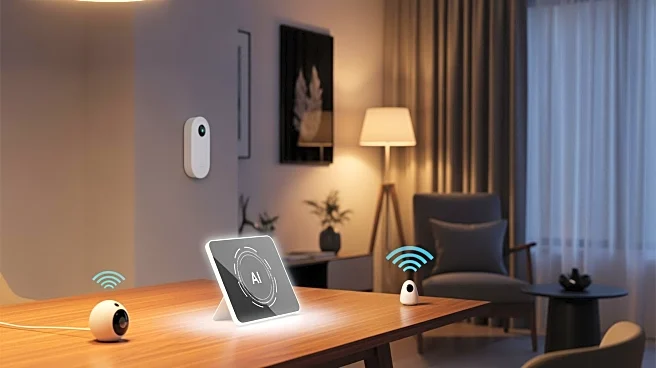
Schedule to prioritize remote monitoring and value-based care. This move aims to reduce preventable hospitalizations, particularly from falls, which are a significant cost driver. In 2020, non-fatal falls cost the U.S. healthcare system over $80 billion, with Medicare covering a substantial portion. AI ambient sensing technology can monitor movement and detect changes that may precede a fall, providing real-time alerts to caregivers and clinicians. This technology is already in use, showing promising results in reducing readmissions and emergency room visits.
Why It's Important?
The adoption of AI ambient sensing technology is crucial as it addresses a significant financial burden on the healthcare system. With the aging population, the demand for effective fall prevention strategies is increasing. The technology not only enhances patient safety but also offers substantial cost savings. For Medicare Advantage plans and hospitals, reducing preventable falls can mean the difference between profitability and loss, as these incidents often lead to expensive care episodes. By integrating this technology, healthcare providers can improve patient outcomes and reduce penalties associated with readmissions.
What's Next?
CMS is expected to finalize reimbursement pathways for AI-supported fall prevention technologies, encouraging broader adoption. Hospitals may begin integrating in-home monitoring into discharge planning for high-risk patients. Medicare Advantage plans are likely to deploy these tools as a financial defense strategy, gaining a cost advantage over competitors. The focus will be on expanding the use of digital, predictive technologies to prevent costly incidents and improve healthcare outcomes.
Beyond the Headlines
The shift towards AI ambient sensing in healthcare reflects a broader trend of integrating technology into patient care. This approach not only addresses immediate cost concerns but also represents a cultural shift towards proactive, rather than reactive, healthcare. The technology respects patient privacy by avoiding invasive methods, aligning with ethical standards in patient care. As the technology becomes more widespread, it could lead to long-term changes in how elder care is managed, potentially transforming the landscape of home healthcare.