

What's Happening?
House Judiciary Committee Democrats, led by Ranking Member Rep. Jamie Raskin and Rep. Lucy McBath, Ranking Member of the Subcommittee on Crime and Federal Government Surveillance, have voiced strong concerns regarding proposed cuts to Tribal law enforcement
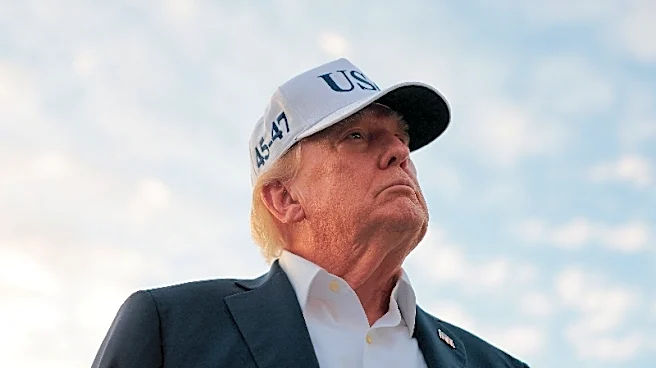
and victim services. They argue that these reductions risk intensifying the ongoing crisis of missing and murdered Indigenous people. The Democrats highlighted the federal government's historical failure to adequately protect Indigenous communities. During a hearing, testimony from experts like Abigail Echo-Hawk of the Urban Indian Health Institute indicated that funding cuts have forced Tribal-serving organizations to reduce or eliminate crucial survivor services, including safe housing, transportation, and counseling. Rep. McBath stated that 44% of organizations relying on federal funding anticipate drastic service reductions, warning that these cuts will lead to loss of life. Ranking Member Raskin criticized the Trump Administration for slashing funding to Tribal communities and undermining their sovereignty over the past two years, emphasizing that the crisis requires serious legislative action rather than political opportunism.
Why It's Important?
The proposed cuts to Tribal public safety and victim services carry significant implications for Indigenous communities across the U.S. These communities already face disproportionately high rates of violence and a systemic lack of resources to address these issues. The reduction in federal funding directly impacts the ability of Tribal organizations to provide essential services to survivors of violence, potentially leaving vulnerable individuals without critical support. This situation exacerbates existing challenges, such as jurisdictional disputes that often leave cases of violence unresolved, as highlighted by Ms. Echo-Hawk regarding untested rape kits. The issue also underscores the federal government's treaty and trust obligations to Indigenous nations, suggesting that defunding these programs could be seen as a failure to uphold these commitments. The debate also brings to light the broader political landscape surrounding federal support for Tribal sovereignty and public safety, with Democrats framing the cuts as detrimental to the well-being and justice of Indigenous populations.
What's Next?
The immediate future will likely involve continued advocacy from Judiciary Democrats and Indigenous rights organizations to prevent or reverse the proposed funding cuts. The issue is expected to remain a point of contention in congressional debates concerning federal budgets and appropriations. Stakeholders, including Tribal leaders and victim advocacy groups, will likely intensify their lobbying efforts to highlight the real-world consequences of reduced funding. There may be legislative attempts to introduce bills aimed at securing or increasing funding for Tribal law enforcement and victim services, potentially leading to further partisan clashes. The ongoing crisis of missing and murdered Indigenous people will continue to demand attention, and the effectiveness of federal responses, or lack thereof, will be closely scrutinized by affected communities and human rights advocates. The discussion may also prompt a re-evaluation of federal-Tribal relations and the fulfillment of treaty obligations.
Beyond the Headlines
Beyond the immediate budgetary concerns, this issue touches upon deeper systemic failures and historical injustices faced by Indigenous peoples in the United States. The persistent underfunding of Tribal law enforcement and victim services reflects a broader pattern of neglect and marginalization. The jurisdictional complexities that often impede justice for Indigenous victims highlight fundamental flaws in the legal framework governing Tribal lands and populations. This situation raises ethical questions about the federal government's responsibility to protect all its citizens equally, particularly those with whom it has specific treaty obligations. The crisis also underscores the cultural impact of violence and the erosion of trust in governmental institutions within Indigenous communities. Addressing these issues requires not only financial investment but also comprehensive reforms to legal systems, enhanced collaboration between federal, state, and Tribal authorities, and a renewed commitment to respecting Tribal sovereignty and self-determination.