




What's Happening?
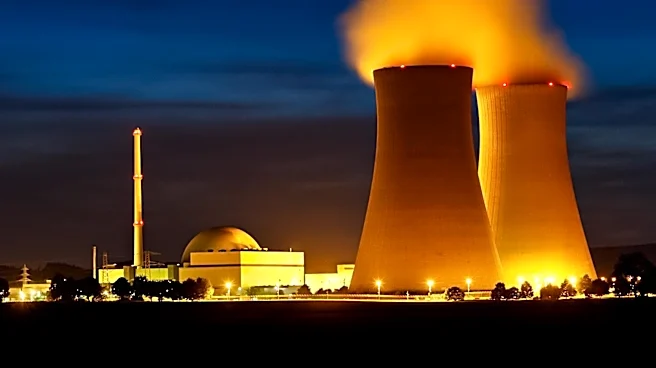
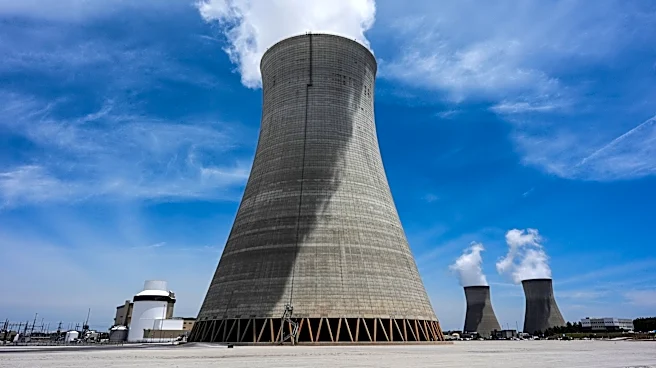
Five U.S. states—Tennessee, Louisiana, Oklahoma, Utah, and Idaho—have agreed to accept nuclear waste from across the country in exchange for federal assistance in developing nuclear energy. This initiative aims to create thousands of jobs and reflects
a shift in some regions' willingness to host nuclear waste facilities. The decision is part of a broader effort to store over 95,000 metric tons of spent nuclear fuel and radioactive waste, which is currently accumulating at nuclear plants nationwide. The proposed Nuclear Lifecycle Innovation Campuses will include waste sites, uranium enrichment, and advanced reactor deployment, potentially attracting up to $50 billion in private investment.
Why It's Important?
This development is significant as it addresses the longstanding challenge of nuclear waste storage in the U.S., which has been a contentious issue due to safety and environmental concerns. By agreeing to host these facilities, the states are poised to benefit economically through job creation and increased tax revenues. The initiative also aligns with President Trump's goal to quadruple domestic nuclear energy production, which is seen as crucial for meeting future energy demands and climate goals. The move could also influence public perception of nuclear energy, particularly among younger generations who are more open to its potential benefits.
What's Next?
The next steps involve Congress authorizing the campuses and establishing oversight mechanisms. The Energy Department will work with the states to finalize the details of the agreements and begin the process of site selection and development. The success of this initiative could pave the way for similar agreements in other states, potentially leading to a broader acceptance of nuclear energy as a viable component of the U.S. energy mix.