





What's Happening?
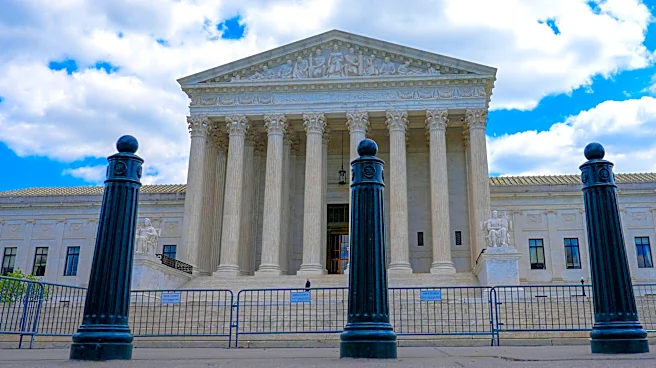
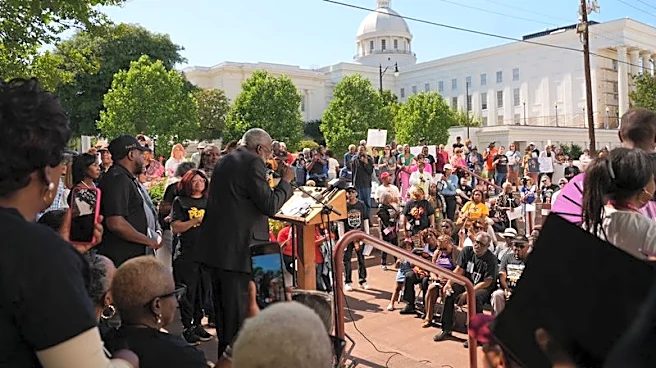
South suburban Black leaders gathered at Markham City Hall to express concerns over a recent U.S. Supreme Court decision that they believe undermines the Voting Rights Act of 1965. This decision has led to redistricting in Southern states, dispersing
historically Black voting districts. Led by Cook County Commissioner Kisha McCaskill, the leaders emphasized the importance of increasing voter turnout in the south suburbs, particularly for the upcoming November midterm elections. The event, which included mayors, trustees, NAACP leaders, and pastors, turned into a discussion on mobilizing communities to vote and educating young voters. Former U.S. Rep Jesse Jackson Jr. and other officials expressed concerns that the Supreme Court's decision could impact Illinois, despite its Democratic majority, as the protections for the state's voting map are no longer in place.
Why It's Important?
The protest highlights the ongoing struggle for voting rights and fair representation in the U.S., particularly for Black communities. The Supreme Court's decision to alter the Voting Rights Act could lead to significant changes in how voting districts are drawn, potentially diluting the voting power of minority communities. This has broader implications for political representation and policy-making, as it may affect the balance of power in state and federal elections. The leaders' call to action underscores the critical role of voter participation in shaping democratic outcomes and ensuring that all voices are heard. The event also reflects a growing movement to educate and engage younger generations in the political process, which could have long-term effects on voter engagement and civic participation.
What's Next?
Community leaders plan to continue their efforts to mobilize and educate voters across the state. Initiatives are being developed to engage young voters, including partnerships with local schools. State officials are urged to prepare for potential federal lawsuits over redistricting maps, as transparency in future redistricting processes is demanded. The ongoing dialogue and actions taken by these leaders may influence future legislative and judicial decisions regarding voting rights and districting.