



What's Happening?
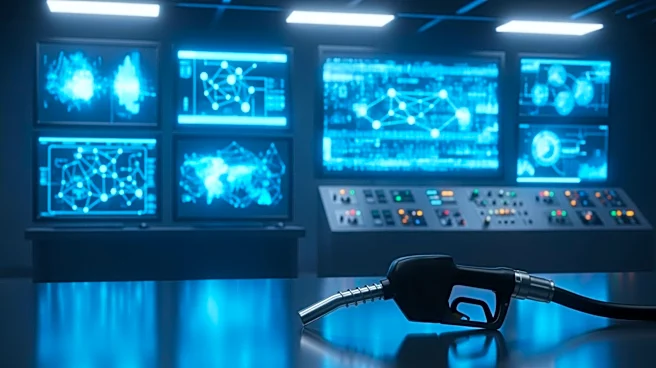
US officials have identified Iranian hackers as the culprits behind breaches in automatic tank gauge (ATG) systems at gas stations across multiple states. These systems, which monitor fuel levels in underground storage tanks, were compromised due to their
lack of password protection. Although the hackers were able to alter display readings, they did not change the actual fuel volumes. The incident has raised alarms about the potential for such access to mask gas leaks or create other risks to critical infrastructure. The cybersecurity community has long warned about the vulnerabilities of exposed ATG systems.
Why It's Important?
The breach underscores the vulnerabilities in critical infrastructure systems that are often left unprotected. Such incidents highlight the need for enhanced cybersecurity measures to protect against potential threats that could disrupt essential services. The ability of hackers to access and manipulate these systems without causing immediate physical damage does not diminish the potential for future risks, including the possibility of masking dangerous conditions like gas leaks. This incident serves as a wake-up call for industries reliant on similar technologies to reassess their security protocols.
What's Next?
In response to the breach, there may be increased pressure on regulatory bodies and industry leaders to implement stricter cybersecurity measures for critical infrastructure. This could include mandating stronger authentication protocols and regular security audits. Additionally, there may be calls for increased collaboration between government agencies and private sector companies to share threat intelligence and develop more robust defenses against cyber threats.