

What's Happening?
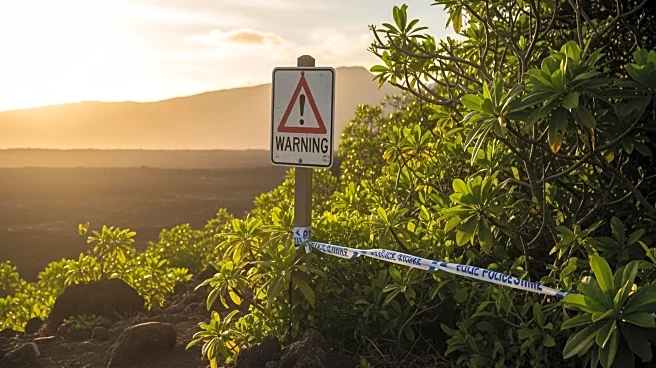
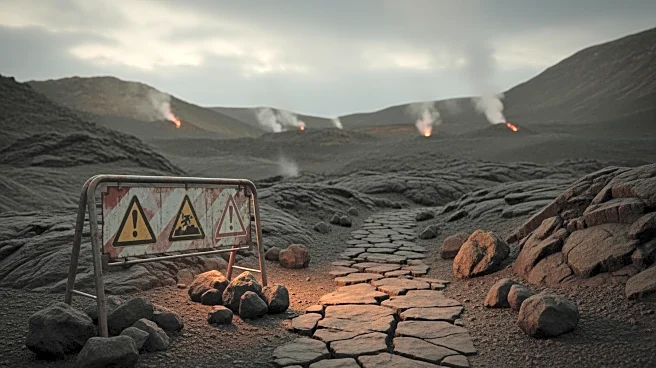
A 33-year-old tourist died after entering a closed section of the Kīlauea caldera in Hawaii Volcanoes National Park, prompting an overnight search and rescue operation. This incident is part of a troubling trend where visitors ignore safety warnings and venture
into hazardous areas of national parks. The man was airlifted to Hilo Benioff Medical Center, where he was pronounced dead. This tragedy adds to a growing list of injuries and fatalities at popular tourist destinations, including Yellowstone National Park, where similar rule violations have led to serious consequences. Experts note that increased visitation to national parks has heightened the likelihood of such incidents, as some visitors treat these natural environments as recreational spaces without recognizing the inherent dangers.
Why It's Important?
The incident underscores the critical need for adherence to safety regulations in national parks, which are designed to protect both visitors and the natural environment. As visitation numbers rise, so do the risks of accidents and fatalities, highlighting a broader issue of risk perception among tourists. The economic impact on local communities reliant on tourism could be significant if such incidents deter future visitors. Moreover, the strain on park resources and emergency services is considerable, as they must respond to preventable emergencies. This situation calls for enhanced public awareness and possibly stricter enforcement of park rules to ensure visitor safety and preserve the integrity of these natural sites.
What's Next?
In response to this and similar incidents, national park authorities may consider implementing stricter enforcement measures and increasing educational efforts to inform visitors about the risks associated with ignoring safety warnings. There could be discussions about enhancing signage and barriers in high-risk areas to prevent access. Additionally, park officials might explore partnerships with local tourism boards to promote responsible tourism practices. The ongoing challenge will be balancing visitor access with safety and conservation priorities, potentially leading to policy changes or new initiatives aimed at reducing the frequency of such dangerous encounters.
Beyond the Headlines
The recurring nature of these incidents raises questions about the cultural attitudes towards nature and risk-taking behavior among tourists. There is a need to address the misconception that national parks are akin to controlled environments like city parks or zoos. This could involve a cultural shift in how natural spaces are perceived and respected. Furthermore, the legal implications of rule violations, such as fines or imprisonment, may need to be revisited to serve as more effective deterrents. The ethical responsibility of tourists to respect natural environments and the safety of themselves and others is a critical aspect of this ongoing issue.