





What's Happening?
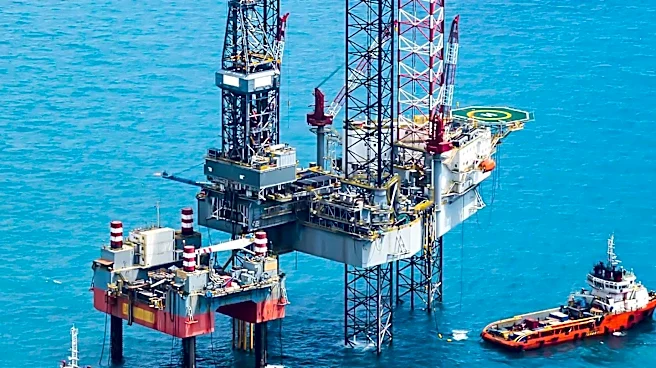
In Senegal, the development of a BP gas field is causing significant disruption to local fishermen. The gas field, located off the coast of Saint Louis, is part of Senegal's strategy to become a major exporter of liquefied natural gas (LNG) to Europe.
However, the project has led to the displacement of local fishermen from their traditional fishing grounds. The gas platform, constructed by BP and Kosmos Energy, is situated in an area rich in fish stocks, which has historically supported the livelihoods of local communities. Fishermen are now restricted from accessing these areas, leading to economic and social challenges. The Senegalese government views the gas project as a means to boost the country's economy, but local communities are concerned about the long-term impacts on their livelihoods and food security.
Why It's Important?
The situation in Senegal highlights the complex interplay between economic development and local livelihoods. While the gas project promises economic growth and increased energy security for Senegal, it poses significant risks to the traditional fishing industry, which is a vital source of food and income for many. The displacement of fishermen could lead to increased poverty and food insecurity in the region. Additionally, the project raises questions about environmental sustainability and the rights of local communities in the face of large-scale industrial developments. The lack of long-term gas supply agreements with European countries further complicates the economic viability of the project, potentially leaving Senegal with significant financial burdens.
What's Next?
The ongoing tensions between the gas companies and local communities are likely to continue as the project progresses. Fishermen and local advocacy groups are seeking redress through official complaints, alleging that the companies are violating responsible business guidelines. The outcome of these complaints could influence future negotiations and the implementation of similar projects. Additionally, the Senegalese government may face increasing pressure to balance economic ambitions with the needs and rights of its citizens. The international community, particularly European countries, may also play a role in shaping the future of the project through their energy policies and demand for LNG.
Beyond the Headlines
The development of the gas field in Senegal raises broader ethical and legal questions about the rights of indigenous communities and the responsibilities of multinational corporations. The project underscores the need for transparent and inclusive decision-making processes that consider the voices and needs of local populations. It also highlights the potential environmental impacts of fossil fuel extraction in sensitive marine ecosystems. As global energy markets shift towards renewable sources, the long-term sustainability of such projects is increasingly under scrutiny. The situation in Senegal serves as a case study for other countries facing similar challenges in balancing economic development with social and environmental considerations.