
What's Happening?
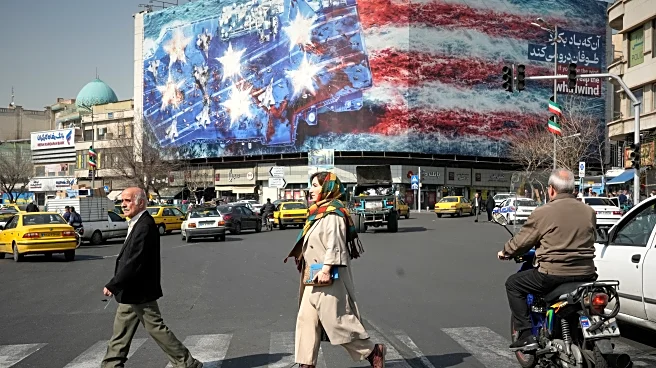
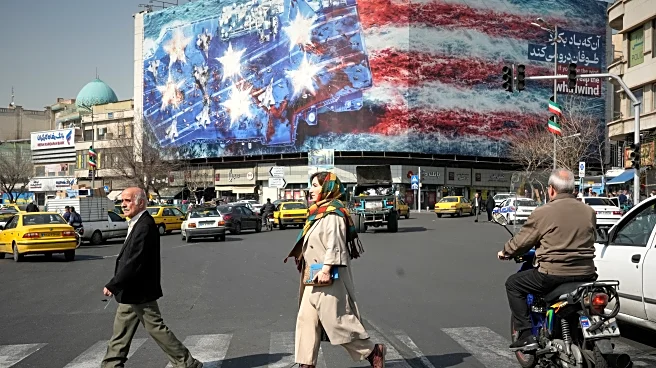
Iran's Foreign Minister Abbas Araghchi has stated that Iran will defend itself against any U.S. aggression, amid ongoing tensions over its nuclear program. In a recent interview, Araghchi emphasized Iran's right to continue uranium enrichment for civilian
purposes and to respond to any U.S. attacks on its interests in the Middle East. Despite the tensions, Araghchi expressed hope for a diplomatic resolution, with further talks scheduled in Geneva. Concurrently, reports have emerged of a secret arms deal between Iran and Russia, involving the acquisition of advanced shoulder-fired missiles, which could further complicate the geopolitical landscape.
Why It's Important?
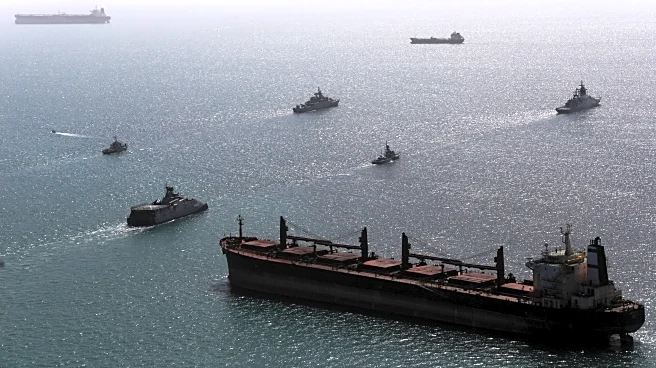
The assertion of self-defense by Iran highlights the fragile state of U.S.-Iran relations and the potential for military conflict. Iran's insistence on maintaining its nuclear program and the reported arms deal with Russia could escalate tensions, affecting regional security and international diplomatic efforts. The situation poses challenges for U.S. foreign policy, as it seeks to curb Iran's nuclear capabilities while avoiding a full-scale conflict. The developments could also impact global energy markets and influence the strategic calculations of other regional powers.
What's Next?
Negotiations between the U.S. and Iran are set to continue, with both sides working towards a potential agreement. However, the reported arms deal with Russia and Iran's firm stance on its nuclear program suggest that reaching a comprehensive deal may be challenging. The international community will be watching closely, as any escalation could have significant implications for regional stability and global security.