





What's Happening?
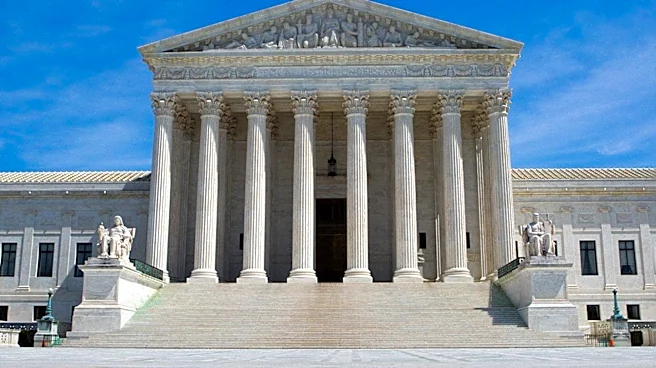
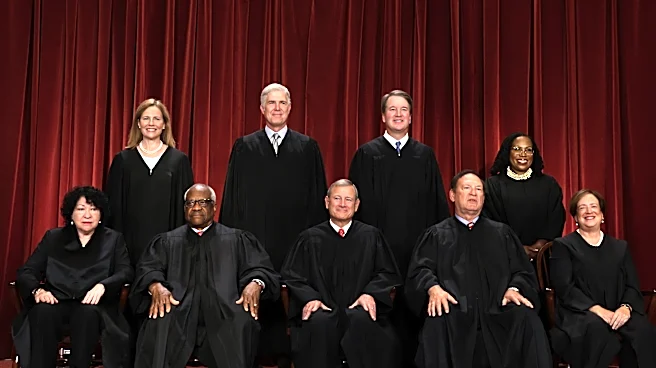
The New Civil Liberties Alliance (NCLA) has filed a brief urging the Supreme Court to deny certiorari in the case of *United States Department of Health and Human Services, et al., v. Texas Medical Association, et al.* The NCLA's brief focuses on preserving
the requirement that courts 'set aside' or vacate unlawful rules issued by government agencies under the Administrative Procedure Act (APA). The organization argues that there is no circuit split on the issue of APA vacatur for the Supreme Court to resolve, and that Congress has consistently pursued APA vacatur to eliminate agency rules that violate statutes. The NCLA's position is that allowing agencies to override Congress would be contrary to the Supreme Court's established principles. The brief does not take a stance on the underlying medical billing controversy at the heart of the case, but rather on the procedural power of courts to invalidate agency actions.
Why It's Important?
This case is significant because it touches upon the fundamental balance of power between the legislative, executive, and judicial branches of the U.S. government. The APA's vacatur requirement is a critical tool for ensuring that federal agencies operate within the bounds of the law established by Congress. If the Supreme Court were to weaken this requirement, it could embolden agencies to issue rules that overstep their statutory authority, potentially leading to a less accountable administrative state. This could have far-reaching implications for various sectors, as agency regulations impact everything from environmental protection to healthcare and finance. Preserving the vacatur requirement is seen by the NCLA as essential for maintaining congressional supremacy and preventing agencies from unilaterally imposing rules that contradict legislative intent, thereby protecting the rule of law and democratic principles.
What's Next?
The immediate next step is for the Supreme Court to decide whether to grant certiorari in the case. If certiorari is denied, the lower court's decision regarding the vacatur requirement would stand, reinforcing the current legal framework. If certiorari is granted, the Supreme Court would hear arguments on the matter, and its eventual ruling could either affirm or alter the established practice of judicial vacatur for unlawful agency rules. A decision to review the case would signal the Court's interest in clarifying the scope of judicial power over administrative actions. Stakeholders, including other advocacy groups, government agencies, and regulated industries, will be closely watching the Court's decision, as it could set a precedent for how agency overreach is challenged and remedied in the future.
Beyond the Headlines
Beyond the immediate legal implications, this case highlights a persistent tension in American governance: the extent of power wielded by unelected administrative agencies. The debate over APA vacatur is not merely a technical legal point; it reflects broader concerns about democratic accountability and the potential for bureaucratic overreach. A weakening of judicial review mechanisms could shift more power to the executive branch, potentially making it harder for citizens and businesses to challenge regulations they deem unlawful or arbitrary. Conversely, a strong vacatur power ensures that agencies remain responsive to legislative mandates and judicial oversight. This ongoing struggle over administrative power has profound implications for the future of regulatory policy and the balance of constitutional authority in the United States.