




What's Happening?
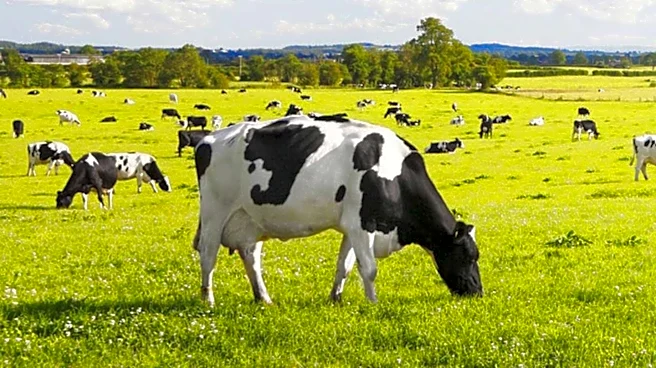
A dairy farm in Kerman, California, Bar 20, in collaboration with H2B2 Electrolysis Technologies, is converting biogas captured from its methane waste lagoons into hydrogen for use as a transportation fuel. This project has received the lowest carbon-intensity
rating ever assigned by the California Air Resources Board (CARB) under the state's Low Carbon Fuel Standard (LCFS). The process involves capturing methane from anaerobic digesters, converting it into electricity using fuel cells and reciprocating engines, and then using some of that electricity to produce hydrogen through electrolysis. This gaseous hydrogen is subsequently supplied to refueling stations across California. While CARB hails the project as 'groundbreaking and novel' for its waste-to-electricity and biogas-to-hydrogen conversion, environmental groups are raising significant concerns. They argue that the climate benefits are outweighed by local pollution issues and that the LCFS incentivizes the expansion of large dairy operations, which contribute to nitrogen, phosphorus, and ammonia contamination of local water supplies.
Why It's Important?
This development is important because it highlights a contentious approach to addressing climate change and energy production within the U.S., specifically in California. The LCFS program aims to reduce the carbon intensity of transportation fuels, and this project represents an extreme example of its application. The historically low carbon-intensity rating assigned to the H2B2 project could set a precedent for future biogas-to-hydrogen initiatives, potentially influencing investment and policy in the renewable fuel sector. However, the strong opposition from environmental justice advocates and non-profit organizations underscores a critical debate: whether such projects genuinely contribute to environmental improvement or merely shift pollution burdens and incentivize practices that have negative local impacts. The financial incentives provided by LCFS for low-carbon fuels could also influence the structure of the dairy industry, potentially favoring larger operations that can implement such technologies, leading to further consolidation and associated environmental concerns.
What's Next?
The provisional approval of H2B2's project by CARB suggests that its carbon-intensity rating may be subject to future adjustments, indicating ongoing scrutiny. Environmental groups, including Food & Water Watch and the Leadership Counsel for Justice & Accountability, are actively suing the state over the LCFS, alleging it bolsters the biogas industry. These legal challenges could lead to significant changes in how the LCFS is implemented and how carbon credits are assigned. Further research and studies will likely continue to emerge regarding the actual environmental impacts of dairy digesters and their role in herd growth, potentially influencing public perception and regulatory decisions. The viability of hydrogen as a transportation fuel, which CARB itself acknowledges has faced challenges with high prices and low demand, will also be a critical factor in the long-term success and expansion of such projects. Stakeholders will be closely watching for any policy shifts or legal rulings that could redefine the landscape for renewable fuel production from agricultural waste.
Beyond the Headlines
The controversy surrounding the Bar 20 and H2B2 project delves into deeper ethical and systemic issues within environmental policy. The debate over whether carbon offsets for mitigating methane pollution from large-scale dairies are truly beneficial or merely a 'bogus' incentive structure highlights a fundamental tension between climate goals and local environmental justice. Critics argue that by assigning such a low carbon-intensity value, CARB is prioritizing a narrow climate metric over the broader ecological and social consequences of industrial agriculture, particularly for communities living near these mega-dairies. This raises questions about the holistic assessment of environmental projects and the potential for unintended consequences, such as encouraging the expansion of operations that contribute to water and air pollution. The long-term shift towards market-based incentives like LCFS also prompts a re-evaluation of how environmental regulations are designed and whether they adequately address the complex interplay of economic, social, and ecological factors.