





What's Happening?
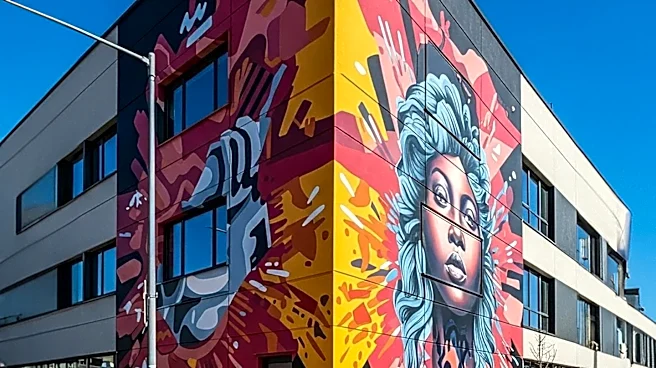
Yonkers Mayor Mike Spano has announced the commissioning of a new public mural at Many Trails Park. This mural, created by acclaimed muralist Richard Haas and artist Robin Alcantara, will commemorate the United Nations International Day of the World’s
Indigenous Peoples, observed annually on August 9. The artwork is intended to honor the rich history, culture, and enduring legacy of the Lenape, Munsee, and Mohican people, whose ancestral lands include present-day Yonkers. Mayor Spano emphasized the city's pride in its diversity, starting with recognizing the original inhabitants of the land. The mural will be painted on a prominent wall overlooking the Many Trails sculpture at the park, located at 2 Mill Street. This park was re-dedicated last November to honor the city’s Native American heritage, featuring a metal sculpture by Native American artist Al Wadzinski. The new mural, alongside the existing sculpture, aims to tell the story of the Indigenous peoples who lived, traveled, and thrived along the Hudson River before Yonkers became the city it is today. The announcement coincided with the city's observance of the United Nations International Day of the World’s Indigenous Peoples, a global recognition of Indigenous cultures, traditions, languages, and contributions.
Why It's Important?
This initiative is important as it represents a significant step in acknowledging and celebrating the Indigenous history and culture within Yonkers, New York. By commissioning a public mural dedicated to the Lenape, Munsee, and Mohican people, the city is actively working to preserve and share a crucial part of its heritage that has often been overlooked. This project contributes to a broader national movement towards greater recognition and respect for Native American communities and their historical contributions. For the Indigenous communities, it offers a visible and lasting tribute to their ancestors and their enduring legacy, fostering a sense of pride and belonging. For the wider public, the mural will serve as an educational tool, encouraging residents and visitors to reflect on and appreciate the profound impact these tribes had on the region's history. This cultural acknowledgment can help bridge historical gaps and promote a more inclusive understanding of American history, potentially inspiring similar initiatives in other communities across the U.S. to honor their own Indigenous roots.
What's Next?
The mural is expected to be completed early next year, transforming Many Trails Park into an enhanced space for education, reflection, and cultural appreciation. Upon its completion, the park will offer a more comprehensive narrative of the Indigenous peoples who inhabited the area, combining the new mural with Al Wadzinski's existing metal sculpture. This development is likely to attract increased public engagement, with potential for educational programs, guided tours, and community events focused on Indigenous history and culture. The Hudson River Museum, which served as the backdrop for the announcement and has a history of promoting Native American art and culture, may play a role in future interpretive programming related to the mural. The project could also inspire further collaborations between the City of Yonkers, local artists, and Indigenous community representatives to develop additional initiatives that continue to honor and preserve Native American heritage. The success of this mural may also encourage other municipalities to undertake similar projects, contributing to a growing trend of public art that celebrates diverse cultural histories.
Beyond the Headlines
Beyond its immediate artistic and commemorative value, this mural project carries deeper implications for cultural reconciliation and historical re-evaluation in the United States. By prominently featuring the history of the Lenape, Munsee, and Mohican people, Yonkers is engaging in a form of public acknowledgment that challenges traditional narratives and promotes a more accurate and inclusive understanding of the nation's past. This initiative can foster a sense of collective responsibility to address historical injustices and promote healing within communities. Ethically, it underscores the importance of recognizing and honoring the original stewards of the land, moving beyond mere tokenism to integrate Indigenous perspectives into the public consciousness. Culturally, such projects can revitalize Indigenous languages, traditions, and artistic expressions, ensuring their continuity for future generations. In the long term, this mural could serve as a model for how cities can use public art to facilitate dialogue, educate citizens, and build stronger, more equitable communities by embracing the full spectrum of their historical and cultural tapestry.