







What's Happening?
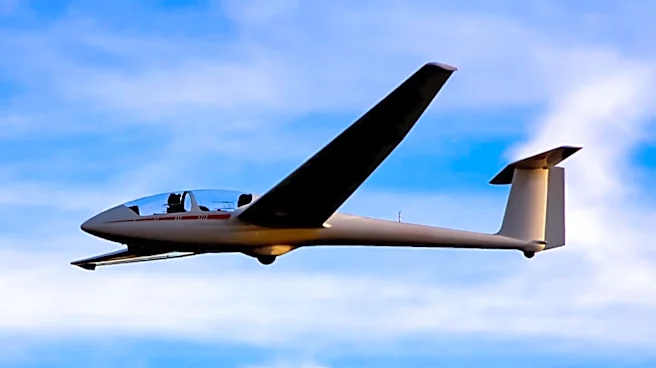
The U.S. Air Force Academy (USAFA) is intensifying its efforts to provide comprehensive flight training to its cadets through an expanded glider program. The initiative, overseen by the 94th Flying Training Squadron, aims to ensure that all cadets receive
significant flight experience. Historically, the glider program has been a part of the Academy since the 1950s, with fluctuating participation levels. Currently, about half of each class, approximately 500 to 600 cadets, participate in the basic soaring class. The Academy's goal is to increase this number, with plans to involve up to 1,000 cadets annually. The program not only includes glider flights but also powered flight training, with cadets flying T-53A Kadett II aircraft. The expansion is part of a broader initiative called 'Airmanship for All,' which seeks to provide all 4,000 cadets with real flight experience. This effort is supported by changes in the training syllabus and increased access to cadet time and operating hours.
Why It's Important?
The expansion of the glider program at the USAFA is significant for several reasons. It enhances the practical training of future Air Force officers, equipping them with essential skills in situational awareness, energy management, and task management. These skills are crucial for their future roles, whether in aviation or other military capacities. The program also fosters leadership and communication skills, as cadets who excel in the basic soaring class can become instructor pilots, further developing their teaching and leadership abilities. This initiative aligns with the Air Force's broader goals of preparing cadets for the complexities of modern military operations, where air superiority and effective command are critical. By providing extensive flight training, the Academy ensures that its graduates are well-prepared to meet the demands of their future roles in the Air Force.
What's Next?
The USAFA plans to continue expanding the glider program, with a target of involving up to 1,000 cadets annually in the basic soaring class. This expansion will require an increase in the number of instructor pilots and further enhancements to the training infrastructure. The Academy is also exploring ways to integrate more advanced flight training technologies, such as virtual reality simulators, to complement the hands-on experience cadets receive. As the program grows, it is expected to play a pivotal role in shaping the next generation of Air Force leaders, ensuring they are equipped with the skills and experience necessary to excel in their military careers.