



What's Happening?
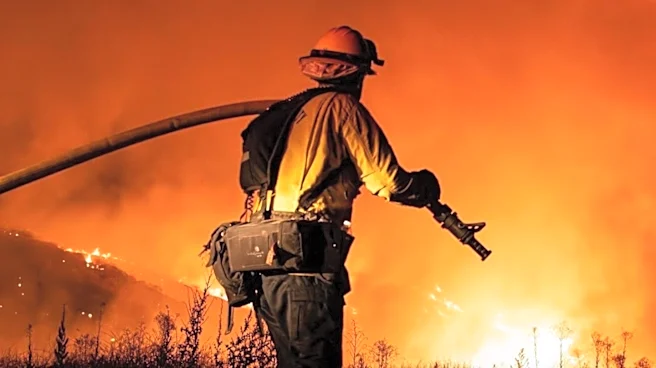
Senator Jeff Merkley (D-OR) has co-sponsored the Wildland Firefighter Health and Safety Act, a bipartisan bill aimed at protecting wildland firefighters from the significant health risks associated with their profession. This legislation, developed in collaboration
with Representative Maxine Dexter and other members of Congress from both parties, seeks to provide robust support and protections for these frontline workers. The bill addresses the dangers posed by smoke, toxic substances, and other hazards encountered during wildfire suppression efforts. Senator Merkley emphasized that as climate change intensifies, leading to hotter and more dangerous wildfires, firefighters are spending increased time battling these blazes to safeguard communities. He highlighted the non-partisan nature of supporting these heroes, stressing the importance of ensuring their safety and health on the job.
Why It's Important?
The increasing frequency and intensity of wildfires across the U.S. underscore the critical importance of this legislation. Wildland firefighters face severe long-term health consequences due to prolonged exposure to hazardous conditions, including respiratory illnesses, cancers, and other chronic conditions. This bill aims to mitigate these risks, ensuring that those who protect communities from devastating fires receive adequate health and safety measures. Protecting these firefighters is not only a matter of occupational safety but also crucial for national security and public safety, as their ability to respond effectively to wildfires directly impacts the preservation of lives, homes, and natural resources. The bipartisan support for this act reflects a broad recognition of the urgent need to address the challenges faced by these essential workers, whose sacrifices often go unacknowledged in terms of comprehensive health protections.
What's Next?
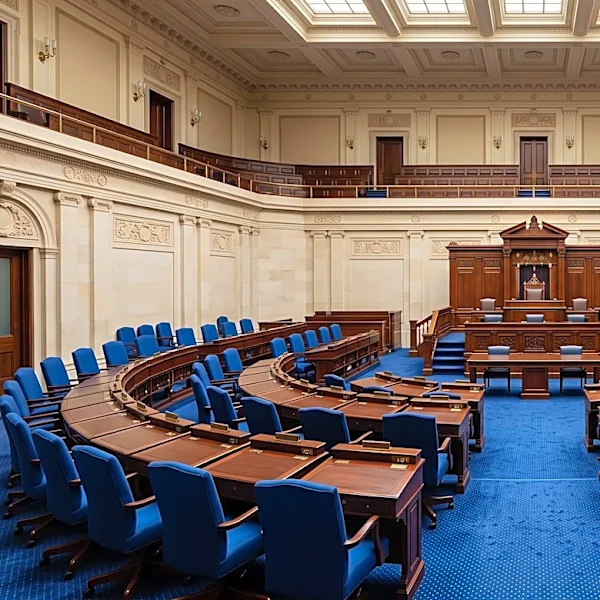
The Wildland Firefighter Health and Safety Act is currently moving through the legislative process. Following its introduction and bipartisan support in Congress, the next step will involve further committee review and potential votes in both the House and Senate. If passed, the bill would then proceed to the President for signature into law. The successful enactment of this legislation would lead to the implementation of new health and safety protocols, increased resources for protective equipment, and enhanced medical support for wildland firefighters. This could also set a precedent for future legislation addressing the health and safety of other emergency responders who face similar environmental and occupational hazards.
Beyond the Headlines
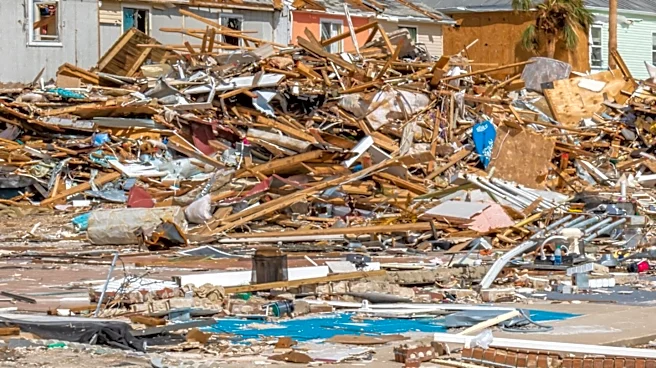
Beyond the immediate protections, this bill highlights a growing national awareness of the long-term health impacts of environmental disasters and the need for proactive measures to safeguard those on the front lines. The bipartisan nature of the legislation suggests a potential for broader consensus on issues related to climate change adaptation and worker safety, even in a politically divided landscape. It also brings attention to the often-overlooked human cost of climate-fueled events, prompting a deeper societal reflection on how to better support and compensate individuals who undertake high-risk public service roles. The act could also spur further research into the specific health effects of wildfire smoke and toxic exposures, leading to advancements in protective technologies and medical treatments for firefighters.