




What's Happening?
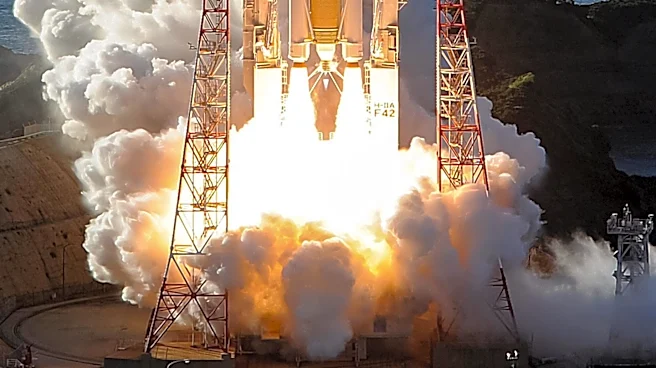
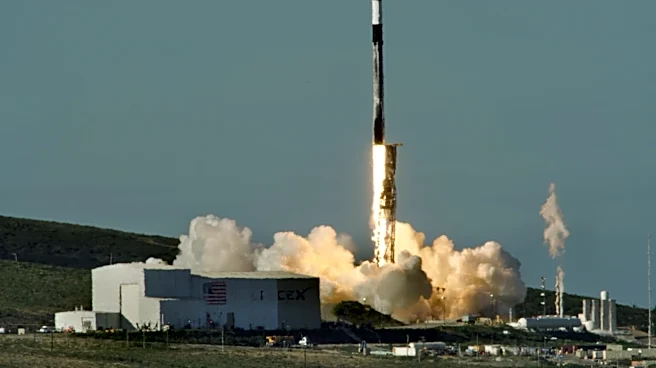
A Chinese Long March 3B rocket was struck by lightning approximately 30 seconds after its launch from the Xichang Satellite Launch Center in Sichuan province on July 23, 2026. Despite the electric discharge, the rocket maintained its trajectory and successfully
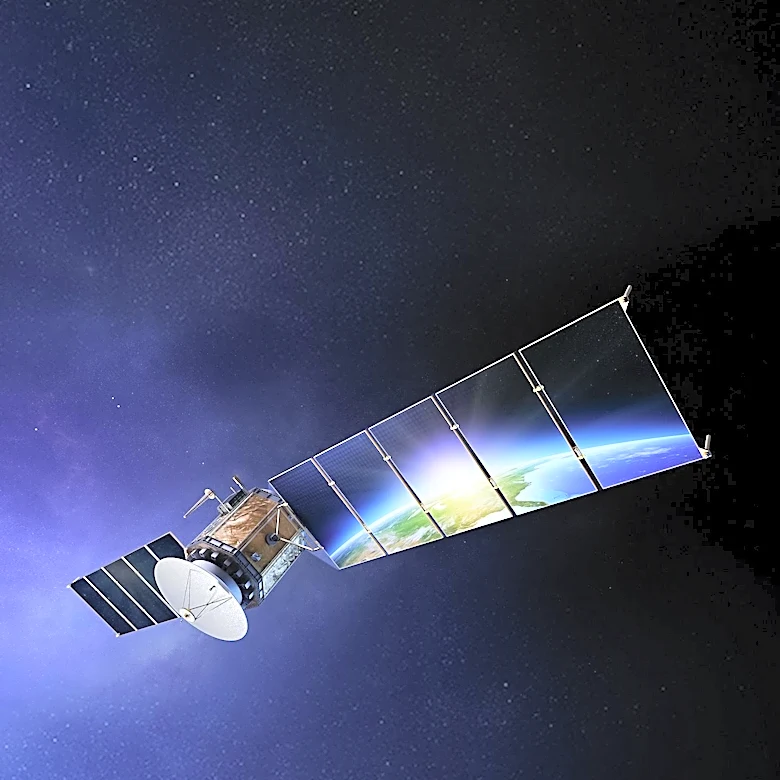
placed the Tianlian-2 06 data relay satellite into its planned orbit. The incident was captured on video, showing a strong electric discharge accompanying the rocket's ascent. The China National Space Administration confirmed the successful mission, marking the 658th flight of a Long March family rocket. This event is notable as it is reportedly the first time clear images of lightning striking a Long March series rocket have been recorded, although this claim is attributed to Chinese media rather than official sources.
Why It's Important?
The successful completion of the mission despite the lightning strike highlights the robustness and reliability of China's space launch capabilities. This incident underscores the challenges faced by space missions due to unpredictable weather conditions and the importance of engineering resilience in aerospace technology. The Tianlian-2 06 satellite plays a crucial role in providing communication, tracking, and control support for various space operations, including manned spacecraft and space stations. The ability to continue the mission despite adverse conditions demonstrates China's growing expertise and confidence in its space program, which has significant implications for global space exploration and competition.