





What's Happening?
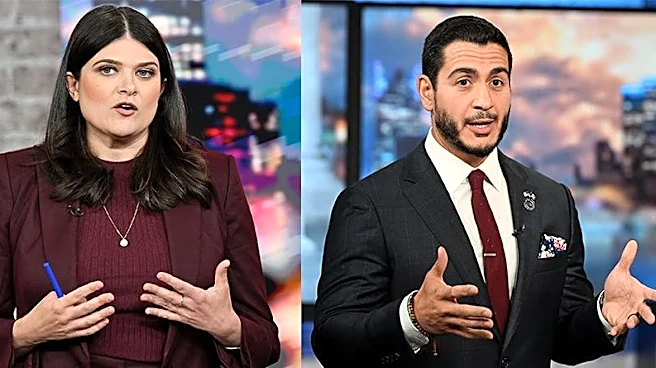
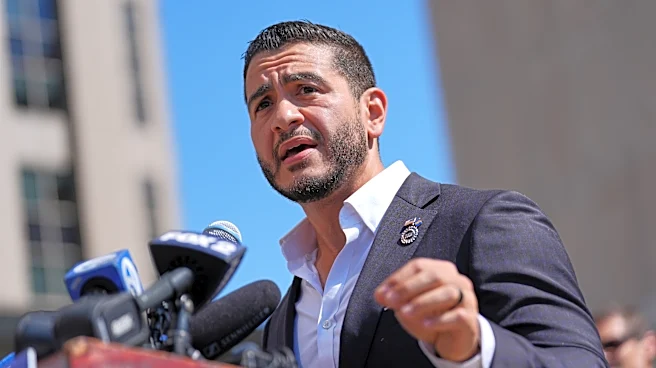
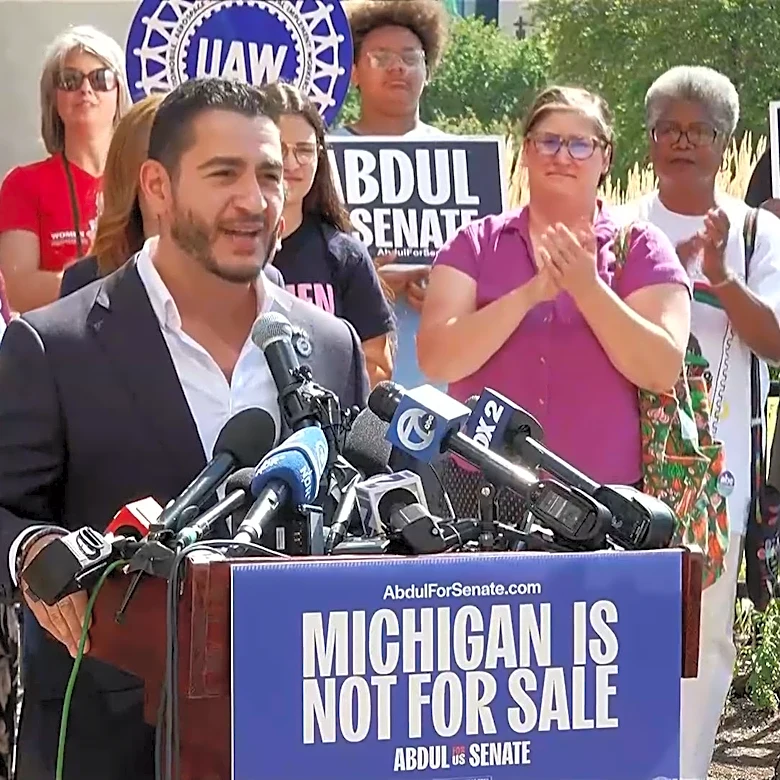
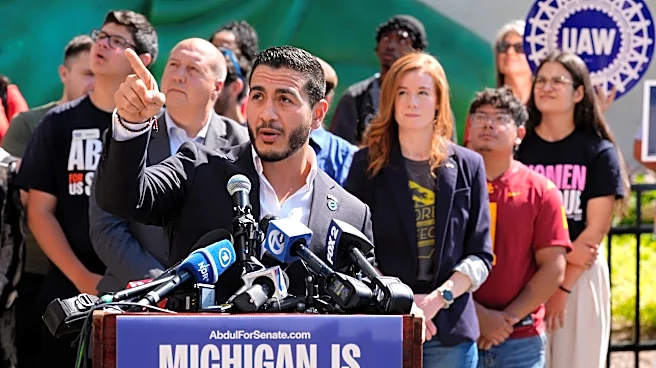
Rep. Haley Stevens (D-MI) has conceded to Abdul El-Sayed in the Democratic primary for U.S. Senate in Michigan, endorsing him as the party's nominee. El-Sayed's victory has been met with criticism from Republicans, who label his candidacy as 'dangerous'
due to his extremist views. The Senate Leadership Fund, aligned with Senate GOP leadership, has launched a digital ad campaign against El-Sayed. Despite the controversy, Democratic leaders, including Senate Minority Leader Chuck Schumer, have rallied behind El-Sayed, emphasizing the importance of unity in the upcoming general election.
Why It's Important?
El-Sayed's candidacy represents a shift within the Democratic Party towards more progressive candidates, reflecting broader national trends. His victory highlights the challenges faced by centrist Democrats in primary races and the influence of progressive platforms. The Republican response underscores the contentious nature of the upcoming general election, with both parties vying for control of the Senate. The outcome of this race could have significant implications for the balance of power in Congress and the future direction of U.S. policy.
What's Next?
As the general election approaches, El-Sayed will need to consolidate support within the Democratic Party while addressing criticisms from Republicans. The race is expected to be highly competitive, with significant resources allocated by both parties. The outcome will likely influence future Democratic primary strategies and the party's approach to progressive candidates. The broader political landscape may also be affected, with potential shifts in voter demographics and party alignments.