







What's Happening?
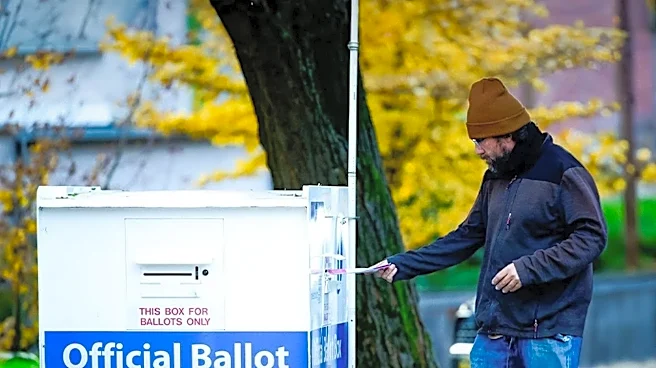
San Diego County has established comprehensive security protocols for mail-in ballots, which accounted for nearly 95% of votes in the recent primary election. The process begins with high-speed sorting machines that scan envelopes and voter signatures.
Any discrepancies in signatures are flagged for additional review, and voters are given an opportunity to correct issues before their ballot is rejected. Ballots remain sealed until signature verification is complete. After verification, envelopes are opened anonymously to protect voter privacy. Vote-counting equipment is not connected to the internet, and access to the counting room is strictly controlled. Damaged ballots are recreated by teams of two employees to prevent individual manipulation. The county also tracks ballots throughout the process to prevent multiple voting and monitors the chain of custody. Less than 2% of mail-in ballots were rejected in the primary, with signature mismatches being the primary reason.
Why It's Important?
These stringent measures in San Diego County are crucial for maintaining public trust in the electoral system, especially as mail-in voting becomes increasingly prevalent. By implementing multiple layers of verification, anonymity protocols, and secure counting procedures, the county aims to mitigate concerns about fraud and tampering. The transparency of allowing public observation of the process and providing an online ballot tracking system further reinforces confidence. The low rejection rate, coupled with clear reasons for rejection, indicates an efficient system that prioritizes both security and voter access. This approach could serve as a model for other jurisdictions seeking to enhance the integrity and public perception of their mail-in voting processes.
What's Next?
San Diego County will likely continue to refine and communicate its mail-in ballot security procedures, particularly as election cycles approach. The ongoing public interest in election integrity, as noted by Registrar of Voters Sean Brom, suggests that transparency and voter education will remain key priorities. The county may explore further technological advancements to streamline verification processes while maintaining security. Additionally, the success of these measures could influence discussions and policy decisions regarding mail-in voting at state and national levels, potentially leading to the adoption of similar safeguards in other regions. Voters will continue to have access to online tracking systems and opportunities to observe the process.
Beyond the Headlines
The detailed security measures in San Diego County highlight a broader societal effort to balance accessibility with integrity in democratic processes. The emphasis on team-based ballot recreation and strict access controls underscores the ethical commitment to preventing individual influence over election outcomes. The county's proactive communication about its safeguards and the invitation for public observation address the cultural dimension of trust in institutions. This approach also implicitly acknowledges the legal challenges and public scrutiny that election systems face, aiming to preemptively demonstrate robustness. The continuous adaptation and transparency in election administration are vital for the long-term health of democratic participation.