



What's Happening?
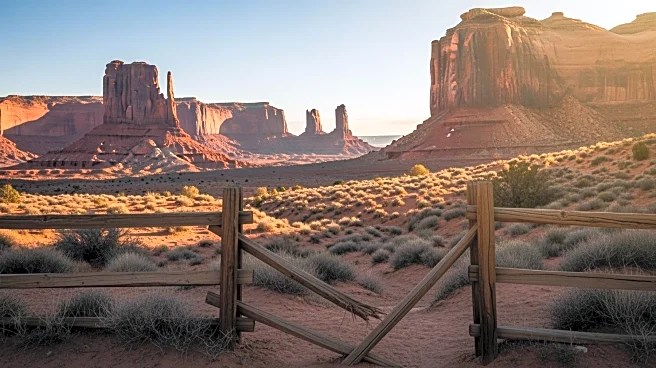
Utah lawmakers are considering using the Congressional Review Act (CRA) to overturn the resource management plan for Bears Ears National Monument. This follows a similar move against the Grand Staircase-Escalante National Monument. The CRA allows Congress to nullify
agency rules with a simple majority vote. The current management plans restrict extractive activities like mining and drilling, emphasizing conservation and cultural resource protection. The Government Accountability Office recently ruled that such plans could be considered 'rules' under the CRA, making them subject to congressional disapproval. Utah's congressional delegation, including Rep. Mike Kennedy, is actively pursuing this legislative strategy, although no vote has yet occurred.
Why It's Important?
The potential use of the CRA to overturn resource management plans could significantly impact how public lands are managed in the U.S. If successful, it may set a precedent for future legislative actions against environmental protections. This could affect conservation efforts, cultural resource management, and the balance between development and preservation on public lands. The move is particularly contentious given the historical and cultural significance of Bears Ears, which involves co-management with tribal nations. The outcome could influence national policy on public land use and the role of federal oversight in environmental conservation.
What's Next?
If the CRA is used successfully against Bears Ears, it could lead to a rollback of protections and a shift in management strategies. This may prompt legal challenges from environmental and tribal groups, potentially leading to prolonged litigation. The decision could also influence future legislative actions regarding other national monuments and public lands. Stakeholders, including conservationists and tribal nations, are likely to mobilize in response, advocating for the preservation of current management plans. The broader implications for U.S. environmental policy and tribal sovereignty remain uncertain.