





What's Happening?
South Korea is experiencing a significant increase in electricity demand, primarily driven by the expansion of chip production by major companies like Samsung Electronics and SK Hynix, alongside the construction of new AI data centers. According to Kim
Sung-whan, the Minister of Climate, Energy and Environment, AI-driven power needs alone are projected to boost South Korea's demand by 25 to 30 gigawatts. This surge is further compounded by the national shift towards electric vehicles and electric heating. To address these growing energy requirements, the South Korean government is evaluating an update to its long-term energy roadmap, which includes considering the expansion of its nuclear energy capacity. Currently, nuclear power accounts for nearly a third of the country's energy mix, with 26 operational reactors. While there is public support for new nuclear plants, as indicated by a poll showing 79% approval, some civic groups have raised safety concerns, with one group in Ulsan collecting over 10,000 signatures against additional reactors.
Why It's Important?
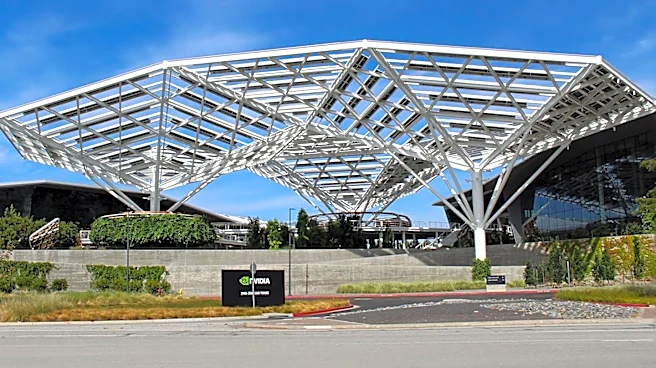
The escalating power demand in South Korea, fueled by the AI boom and technological advancements, highlights a critical challenge for nations heavily invested in high-tech industries. The decision to potentially expand nuclear energy capacity underscores the complex balance between economic growth, energy security, and environmental goals. For the U.S., this situation is relevant as American tech companies, including Nvidia, have expressed interest in establishing data centers in South Korea due to its reliable power supply. This indicates that a stable and sufficient energy infrastructure is a key factor in attracting international investment and fostering technological collaboration. The debate over nuclear energy also reflects a global discussion on sustainable power sources, with South Korea aiming to phase out coal-fired plants by 2040 while simultaneously boosting renewable energy. The outcome of South Korea's energy strategy could set a precedent for other countries facing similar energy demands from rapidly expanding digital economies.
What's Next?
The South Korean government is expected to unveil an updated long-term energy roadmap next month, extending its scope to 2040. This roadmap will detail the country's strategy for meeting future power demands, including decisions regarding new nuclear reactor construction. While the Minister of Climate, Energy and Environment, Kim Sung-whan, has not specified the number of additional reactors needed, he emphasized nuclear energy as an "essential element" of the power generation structure. The government will also continue efforts to boost renewable energy sources, which currently account for 11% of the nation's power needs. Furthermore, the plan to phase out coal-fired power plants by 2040 will proceed, though some of the 60 existing plants may be retained as emergency backup power. The ongoing public debate and expert reviews will likely influence the final decisions on the energy mix, particularly concerning the safety and necessity of expanding nuclear power.
Beyond the Headlines
The rapid increase in power consumption driven by AI and chip manufacturing in South Korea reveals a broader global trend where technological advancement is creating unprecedented energy demands. This situation forces a re-evaluation of traditional energy policies and accelerates the search for scalable, reliable, and sustainable power solutions. The reliance on nuclear energy, despite safety concerns, points to the current limitations of renewable sources alone to meet such massive industrial needs. This could lead to a renewed global interest in nuclear power as a viable option for energy-intensive economies, potentially spurring innovation in nuclear safety and waste management. Moreover, the competition among nations to provide dependable power for tech giants like Nvidia could become a new dimension of economic and technological rivalry, influencing where future data centers and manufacturing facilities are located. The ethical implications of energy choices, balancing economic prosperity with environmental protection and public safety, will remain a central theme in this evolving energy landscape.