





What's Happening?
The Willow Fire in Lake County, Colorado, continues to burn, having scorched approximately 6,800 acres. The fire, which began over two weeks ago, is now nearly 40% contained. Residents of Leadville, a nearby town, have been closely monitoring the fire's
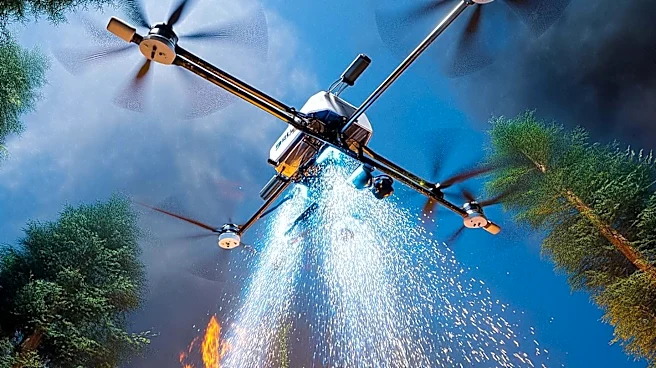
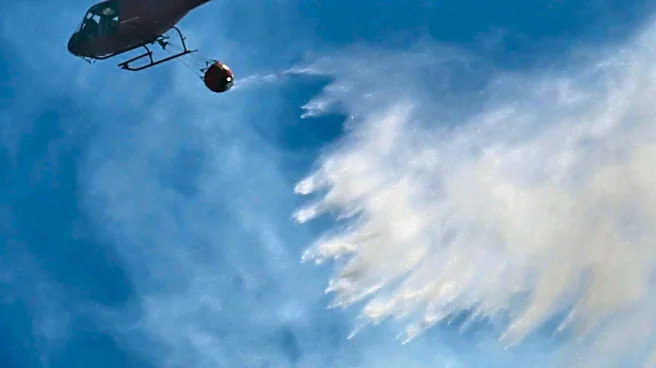
progress, often gathering at vantage points like Hamm's Mill to observe the smoke and flames. The fire, which is human-caused, has affected rugged terrain near the Leadville National Fish Hatchery and Mount Massive. Hundreds of firefighters are actively working to contain the blaze, focusing on establishing 'hold lines' to prevent the fire from spreading further. These efforts are aimed at protecting critical values such as homes, infrastructure, and natural resources like Turquoise Lake, which supplies water to millions. Despite the ongoing threat, no additional evacuations are expected, and rain is forecasted for the area, offering hope for further containment.
Why It's Important?
The Willow Fire highlights the increasing frequency and intensity of wildfires in the western United States, exacerbated by dry and warm conditions. This situation underscores the challenges faced by communities in fire-prone areas, where residents must balance the risks of living near natural landscapes with the benefits. The fire's impact on local infrastructure and natural resources, such as water supplies, emphasizes the need for effective fire management strategies and community preparedness. The efforts to contain the fire also demonstrate the critical role of firefighting resources and coordination in protecting lives and property. As climate change continues to influence weather patterns, the frequency of such fires is likely to increase, necessitating ongoing adaptation and resilience measures by affected communities.
What's Next?
With the fire nearly 40% contained, firefighting efforts will continue to focus on maintaining and strengthening hold lines to prevent further spread. The forecasted rain could aid in these efforts, potentially reducing the fire's intensity and aiding containment. Local authorities and residents will remain vigilant, monitoring weather conditions and fire behavior closely. In the longer term, the community may need to consider additional measures to mitigate future fire risks, such as improved land management practices and enhanced emergency response plans. The experience of the Willow Fire may also prompt discussions on broader policy measures to address the root causes of increased wildfire activity, including climate change and land use practices.