








What's Happening?
U.S. tech giants, including Amazon Web Services and Microsoft, are rapidly expanding their data center operations in Spain's Aragon region, transforming the landscape and raising significant environmental concerns. Amazon Web Services alone plans to invest
nearly $40 billion to construct multiple large complexes, with one facility projected to be as vast as 600 American football fields. This expansion is driven by the increasing demand for energy- and water-intensive data centers to support the AI boom. The Aragon regional government is actively encouraging this development, offering substantial tax breaks and fast-tracking planning permissions, which grant these projects special status and limit public objection periods. This approach has led to concerns among local residents and environmental groups regarding the impact on water resources, wildlife, and the overall quality of life in the region. Residents like Silvia Baselga in Botorrita discovered data center plans near their homes through survey markers, highlighting the lack of transparency and community involvement in these rapid developments.
Why It's Important?
The rapid proliferation of U.S. tech companies' data centers in regions like Aragon, Spain, highlights a growing global trend where the demand for AI infrastructure clashes with local environmental and community interests. This situation is important because it exemplifies the tension between economic development, driven by the tech industry, and sustainable practices. The fast-tracking of approvals and limited public input in Aragon could set a precedent for similar developments globally, potentially undermining environmental protections and local governance. The significant water consumption of these data centers in a drought-stricken region raises critical questions about resource allocation and the long-term viability of such projects in vulnerable ecosystems. Furthermore, the documented increase in bird deaths due to associated renewable energy infrastructure, like wind turbines, underscores the complex environmental trade-offs involved in powering these facilities. This scenario could lead to increased activism and legal challenges against tech companies and governments, influencing future regulatory frameworks for data center development worldwide.
What's Next?
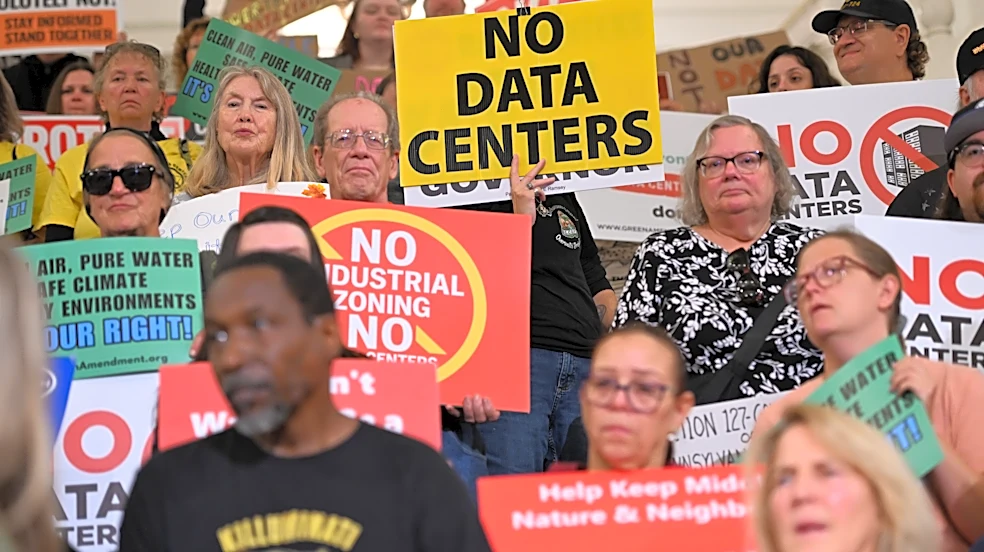
The expansion of U.S. tech companies' data centers in Aragon is expected to continue, with 27 facilities planned across the region, primarily by American firms. Environmental groups, such as Ecologistas En Accion, have initiated legal actions to challenge the Aragon government's fast-tracked approval processes, aiming to halt Amazon Web Services' expansion. These legal battles will be crucial in determining the future pace and regulatory oversight of data center development in Spain. Local protests, like those seen in Zaragoza against a new data center near a forest, are likely to persist and potentially escalate, pushing for greater transparency and environmental safeguards. The outcome of these efforts could influence whether other countries and regions adopt similar fast-track policies or implement stricter environmental and community engagement requirements for tech infrastructure projects. Amazon Web Services has stated its commitment to using renewable energy and investing in water efficiency, but the lack of specific water usage data per site will likely remain a point of contention, prompting continued scrutiny from environmental advocates.
Beyond the Headlines
The rapid expansion of data centers by U.S. tech companies in Spain's Aragon region reveals deeper implications beyond immediate environmental concerns. It highlights a global ethical dilemma where the pursuit of technological advancement, particularly in AI, can lead to significant ecological and social costs in host countries. The 'Virginia of southern Europe' ambition of Aragon's government reflects a broader economic strategy to attract foreign investment, potentially at the expense of local autonomy and environmental integrity. This situation also underscores the challenge of balancing economic growth with the preservation of natural habitats and community well-being. The opacity surrounding water usage data from companies like Amazon Web Services raises questions about corporate accountability and the effectiveness of current environmental legislation. The long-term cultural impact on rural communities, transforming tranquil landscapes into industrial zones, could lead to a loss of traditional ways of life and a sense of displacement among residents. This development could also trigger a re-evaluation of international standards for environmental impact assessments and community consent in the context of global tech infrastructure projects.