



What's Happening?
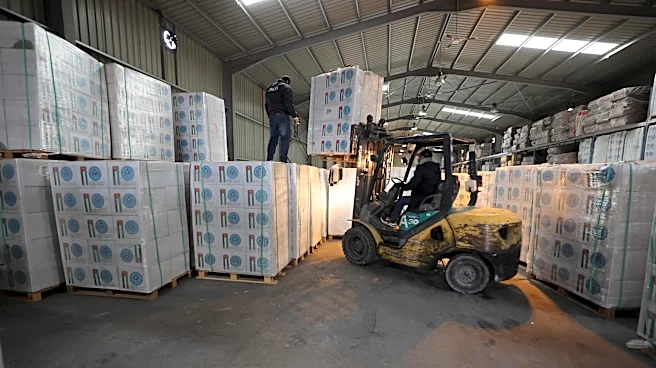
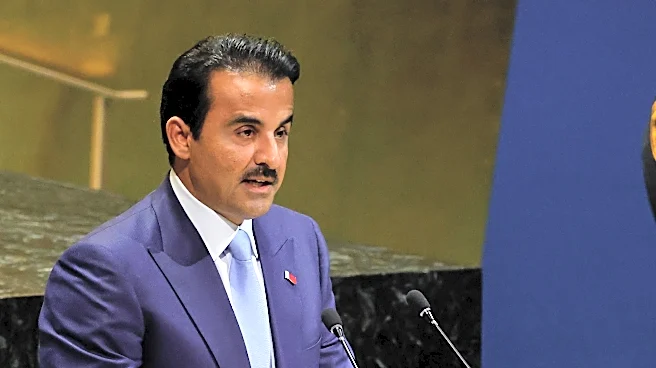
The State of Qatar, alongside the United Kingdom and the Hashemite Kingdom of Jordan, has issued a joint call for the immediate and unrestricted delivery of humanitarian aid to the Gaza Strip. This appeal was made during a UN briefing, where the nations
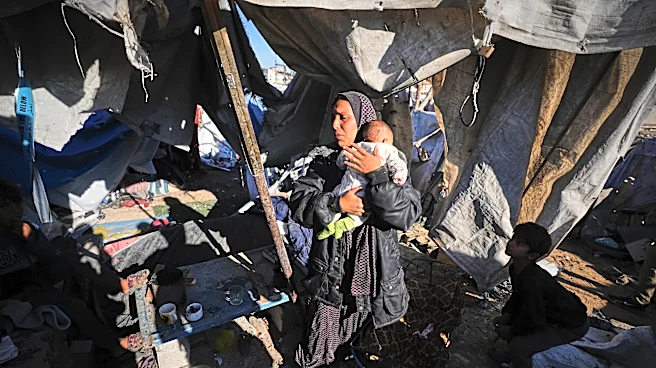
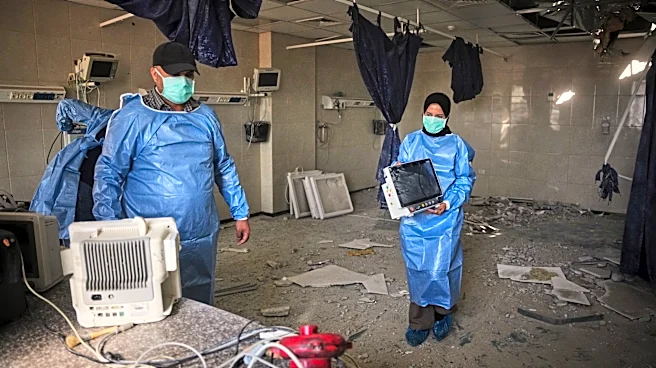
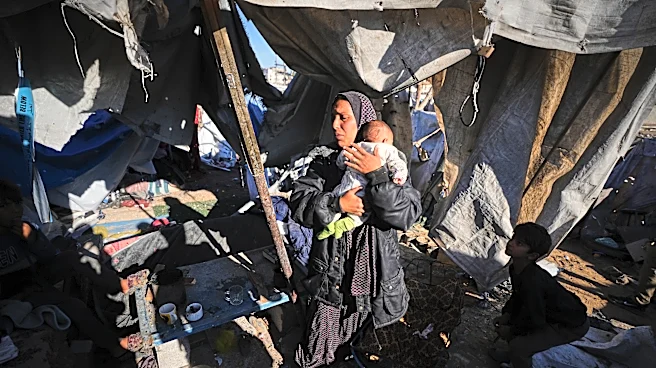
warned that severe shortages of shelter and essential supplies are placing civilians at increased risk as winter approaches. They emphasized that developments since the ceasefire agreement between Israel and Hamas demonstrated that the humanitarian situation could improve with sufficient political will. The group urged the incoming Israeli government to facilitate rapid aid delivery through all available crossings and land routes, and to allow critical supplies such as fuel, water, sanitation equipment, medical provisions, and shelter materials into the territory. They also advocated for the resumption of medical referrals to hospitals in East Jerusalem and the West Bank, and enhanced protection for healthcare workers, humanitarian personnel, and medical facilities.
Why It's Important?
This joint call from Qatar, the UK, and Jordan underscores the growing international concern over the humanitarian crisis in Gaza and its potential to destabilize the region. For the U.S., this development highlights the complex diplomatic landscape and the pressure on its allies to address the crisis. The emphasis on unhindered access and the provision of essential supplies is crucial for preventing further loss of life and mitigating the long-term health and social impacts on the Gazan population. The call for transparent investigations into attacks on humanitarian and healthcare workers, and for allowing international delegations and journalists into Gaza, speaks to broader issues of accountability and transparency in conflict zones. The involvement of multiple nations signals a concerted international effort that could influence U.S. policy and engagement in the region, potentially leading to increased diplomatic pressure on all parties involved to prioritize humanitarian concerns.
What's Next?
The immediate next steps will likely involve continued diplomatic efforts at the UN and other international forums to press for the implementation of these demands. The call for the incoming Israeli government to facilitate aid delivery suggests an expectation of policy changes or increased cooperation. The three countries have reaffirmed their commitment to supporting emergency winter preparations and efforts to restore essential healthcare services and rehabilitate damaged health infrastructure, in cooperation with the Palestinian Authority, the transitional National Committee for the Administration of Gaza, the UN, and humanitarian partners. The effectiveness of these calls will depend on the political will of the involved parties and the ability of international bodies to coordinate and enforce humanitarian principles. The situation will remain a critical point of discussion in international relations, with potential for further resolutions or actions if the humanitarian situation does not improve.
Beyond the Headlines
The joint statement by Qatar, the UK, and Jordan reflects a broader international consensus that humanitarian aid should not be politicized or used as a leverage in conflicts. This stance has significant implications for the future of humanitarian law and the protection of civilians in war-torn regions. The emphasis on the vital role of neutral international humanitarian organizations highlights the importance of independent aid delivery, free from political interference. The crisis in Gaza also brings to light the long-term challenges of rebuilding and recovery in areas affected by prolonged conflict, including the need for sustainable infrastructure and healthcare systems. The international community's response to this crisis will serve as a precedent for how future humanitarian emergencies are managed, influencing the balance between national security concerns and universal humanitarian imperatives.