







What's Happening?
European wholesale natural gas prices have surged to their highest levels in nearly four months due to escalating military tensions between the United States and Iran. The potential closure of the Strait of Hormuz, a critical chokepoint for global liquefied
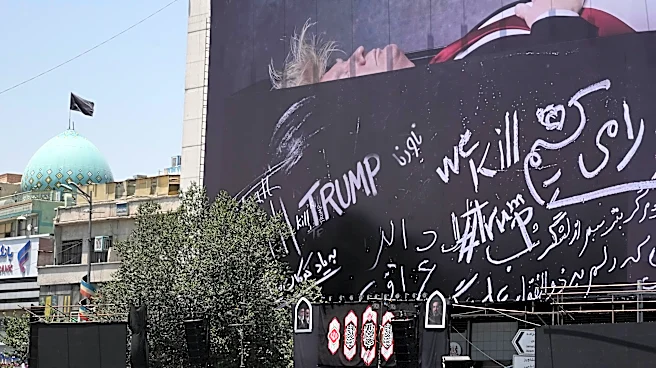
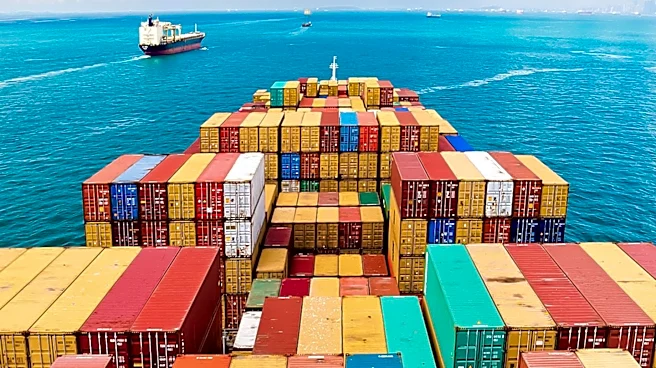
natural gas (LNG) flows, has raised fears of a sudden drop in global supply. The situation has been exacerbated by recent U.S. air strikes and Iran's warnings of disruptions to regional energy corridors. Major Middle Eastern exporters, including Qatar, have temporarily altered LNG vessel movements due to heightened maritime threats. This development poses a significant risk to European utility buyers, who rely on continuous LNG cargoes to compensate for reduced Russian pipeline volumes.
Why It's Important?
The potential disruption of LNG flows through the Strait of Hormuz could have severe implications for Europe's energy security. The region is already vulnerable due to its dependence on LNG imports to replace Russian gas. A prolonged blockade could lead to a bidding war for LNG supplies, driving up prices and straining energy markets. This situation highlights the interconnectedness of global energy markets and the impact of geopolitical tensions on energy security. European countries may need to explore alternative energy sources and strengthen their energy infrastructure to mitigate such risks.
What's Next?
If tensions in the Strait of Hormuz persist, European countries may face increased energy costs and potential supply shortages. Policymakers and energy companies will likely focus on securing alternative supply routes and enhancing energy storage capabilities. The situation may also prompt discussions on diversifying energy sources and increasing investments in renewable energy to reduce dependence on imported LNG. Additionally, the geopolitical landscape may influence future energy policies and international cooperation efforts to ensure energy security.